
 English
 中文简体
中文简体 русский

 Read More

Product Category
NEW Category
Contact us
Contact Us
We specialise in the research, development and manufacture of electrical wires and cables.
 +86-15021943462
Severe Duty Motors: Heavy Duty Electric Motor Selection & Uses
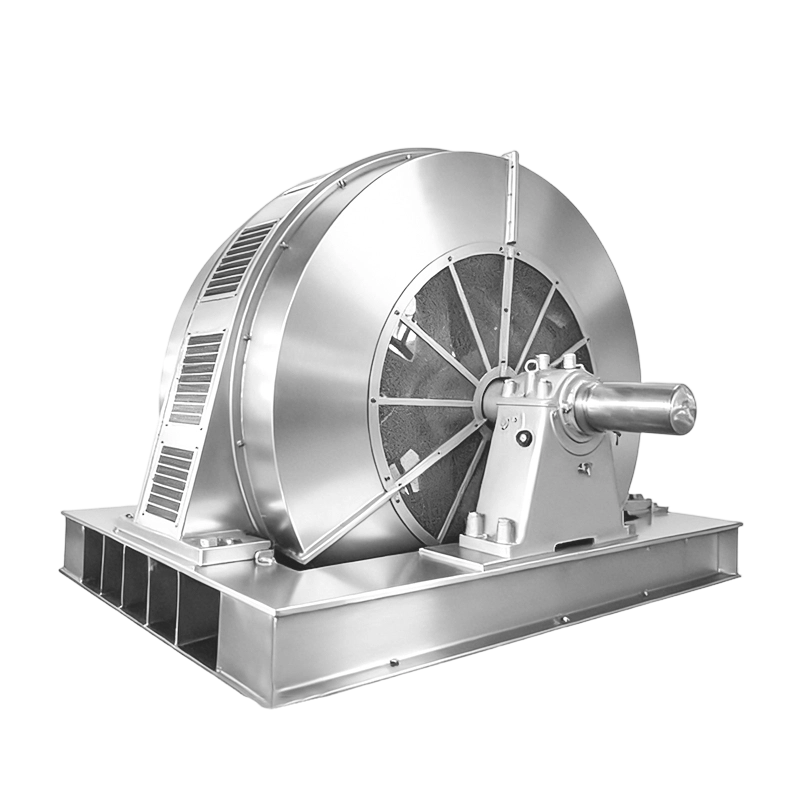
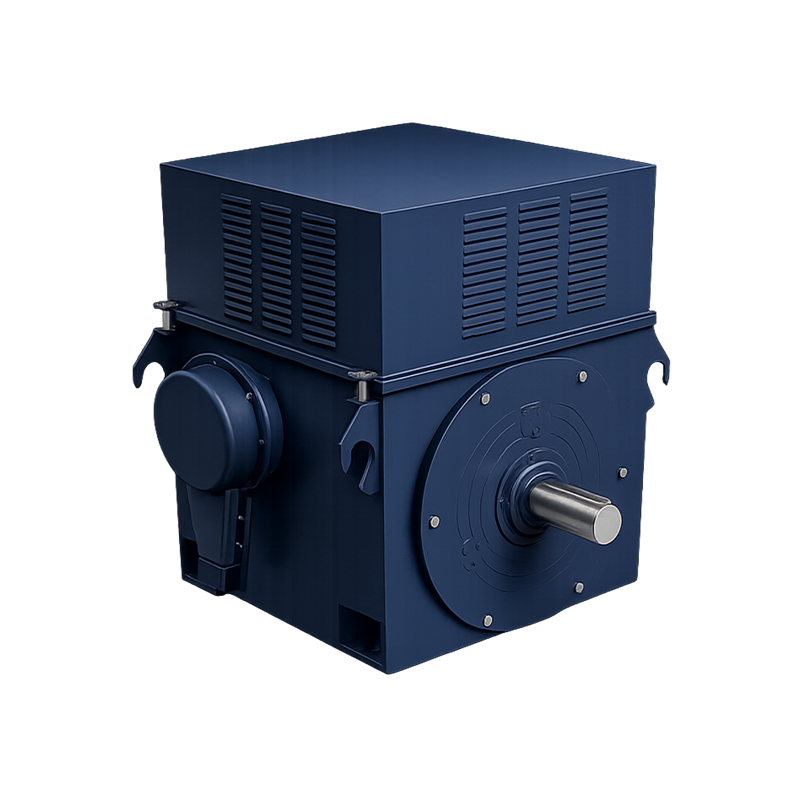
A severe duty motor is the purpose-built answer when standard industrial motors fail prematurely. These heavy-duty electric motors are engineered with cast iron frames, fully encapsulated windings, IP66 or higher enclosures, and advanced shaft seals to withstand corrosive chemicals, abrasive dust, high-pressure washdown, and extreme ambient temperatures. In applications such as chemical processing, mining, and wastewater treatment, selecting a true severe duty design can easily extend operational life 2 to 3 times longer than a general-purpose motor, eliminating the hidden costs of repeated replacement and unplanned downtime.
Content
What Separates Severe Duty from Standard Industrial Motors
The label severe duty is not a marketing term; it corresponds to a specific set of design upgrades mandated by standards such as IEEE 841 for the petroleum and chemical industries. The table below highlights the physical differences that directly affect survival in aggressive environments.
| Design Feature | General Purpose Motor | Severe Duty Motor |
|---|---|---|
| Frame Material | Rolled steel or aluminium | Cast iron with heavy ribbing |
| Winding Protection | Varnish dip or trickle | Epoxy vacuum pressure impregnation |
| Enclosure Rating | IP44 or IP54 typical | IP66 minimum, often IP67 |
| Shaft Seals | Felt or single lip | Double-lip labyrinth or Inpro/Seal type |
| Corrosion Resistance | Standard paint | Epoxy or polyurethane finish with stainless hardware |
These differences are cumulative. An epoxy-encapsulated stator winding survives moisture saturation that would cause a dipped winding to fail in days, while a cast iron frame resists impact and corrosion far better than thin rolled steel. The combination allows severe duty heavy-duty electric motors to run in outdoor, unsheltered locations where rain, chemical mist, and particulates are constant.
Enclosure and Ingress Protection in Practice
Totally Enclosed Fan Cooled Upgrade
Standard TEFC motors can still draw in fine conductive dust through the fan cover. Severe duty versions close this pathway with a shaft-mounted slinger and V-ring seal directly behind the fan, coupled with a gasketed conduit box that maintains seal integrity even during thermal cycling. The result is a motor that withstands 1,000-hour salt spray tests per ASTM B117, far exceeding the 48 to 96 hours typical for standard industrial motors.
Washdown and Food-Grade Options
Severe duty motors specified for washdown duty add a 300-series stainless steel outer shell, O-ring sealed endplates, and a removable drain plug, allowing them to endure daily 1,500 psi high-temperature cleaning. The internal winding remains protected by a Class H insulation system rated for 180°C, giving a generous margin even when external metal surfaces are repeatedly shocked with hot water and aggressive detergents.
Insulation and Thermal Margin for Longevity
Harsh atmospheres accelerate insulation ageing through chemical attack, moisture absorption, and sustained partial discharge. Severe duty motors address this by building in a thermal safety factor. The industry benchmark for many heavy industries is Class F insulation operated with a Class B temperature rise (maximum 80 K rise at full load). This delivers a 105°C total temperature with room to spare, effectively giving the winding a thermal reserve that translates into two decades of maintenance-free operation even when ambient temperatures reach 50°C.
In environments containing hydrogen sulphide, chlorine, or ammonia, the motor manufacturer applies a varnish that is chemically resistant in addition to the epoxy VPI treatment, preventing the brittle cracking that opens paths for moisture. These measures allow large severe duty motors to operate reliably in refineries and pulp mills where atmospheric corrosion would destroy a standard motor frame within 18 months.
Bearing Protection and Shaft Grounding
Bearing failure remains the single most common reason for heavy-duty electric motor removal. Severe duty designs integrate three critical solutions:
- Non-contact labyrinth seals on both drive and non-drive ends prevent particulate ingress without friction wear.
- Regreasable bearings with oversized grease reservoir and automatic relief, allowing lubrication without stopping production.
- Shaft grounding rings or brushes to divert VFD-induced bearing currents, protecting against electrical fluting that rapidly destroys raceways.
In heavy-duty electric motors powered by variable frequency drives, bearing currents can exceed 30 A peak in the megahertz range. A simple grounding ring with conductive microfiber ensures that current passes to the frame rather than arcing through the bearing grease. When combined with an insulated bearing housing on the opposite end, the motor achieves an L10 bearing life exceeding 40,000 hours even under shaft voltages generated by PWM drives.
Matching the Severe Duty Motor to Your Application
Not every harsh environment requires the same level of protection. Choosing the correct specification avoids overpaying while ensuring survival. The following sequence is used by engineering teams to narrow the selection:
- Catalogue all environmental contaminants: chemical type and concentration, dust particle size and conductivity, washdown pressure, and ambient temperature range.
- Determine the required enclosure rating. For outdoor exposure with wind-driven rain, IP66 is the minimum. For temporary submersion risk, specify IP67.
- Select winding protection: epoxy VPI with tropicalisation and anti-fungal varnish if humidity stays above 90%.
- Confirm bearing protection and lubrication type suitable for the operating rpm and VFD switching frequency.
- Specify external fasteners in 304 or 316 stainless steel if any trace of chloride or acid mist is present.
A commonly overlooked detail is the fan material. In abrasive environments such as cement plants, a cast aluminium or spark-resistant metallic fan replaces the standard plastic blade, avoiding erosion that would unbalance the rotor and destroy bearings within 3 to 4 months.
Cost Justification Through Total Ownership
A severe duty motor typically carries a 20% to 40% price premium over an identically rated standard heavy-duty electric motor. Yet the purchase price is dwarfed by the cost of in-service failure. A single unexpected outage on a critical process pump can cost $15,000 to $75,000 per hour in lost production. Over a 15-year service life, the severe duty motor may require nothing more than bearing re-greasing and a single set of replacement bearings at midlife, whereas a general-purpose motor installed in the same corrosive location often requires complete stator rewinds or replacement every 4 to 7 years. The net present value calculation nearly always favours the severe duty option once downtime risk and labour for changeout are included.
The choice is practical, not theoretical: in any environment where a failed motor directly stops revenue generation, the heavy-duty electric motor designated as severe duty is the only specification that aligns with operational reliability targets. Its enhanced frame, sealed insulation, and protected bearings are the minimum acceptable baseline for industries that cannot afford a surprise shutdown.
PREV:AC Motor vs DC Motor: Key Differences, How They Work & How to Choose
NEXT:Large-Scale Industrial Electric Motors: Key Insights & Selection
NEXT:Large-Scale Industrial Electric Motors: Key Insights & Selection
Interested in cooperation or have questions?
Let'S Work Together Welcome Aboard!
-

-
 +86-15021943462
 -
 Room 2326, 23rd Floor 2000 Zhongshan North Road Putuo District Shanghai, China
Join Our Mailing List
Product Categories
Quick Links
Quick Links
