

 English
 中文简体
中文简体 русский

 +86-15021943462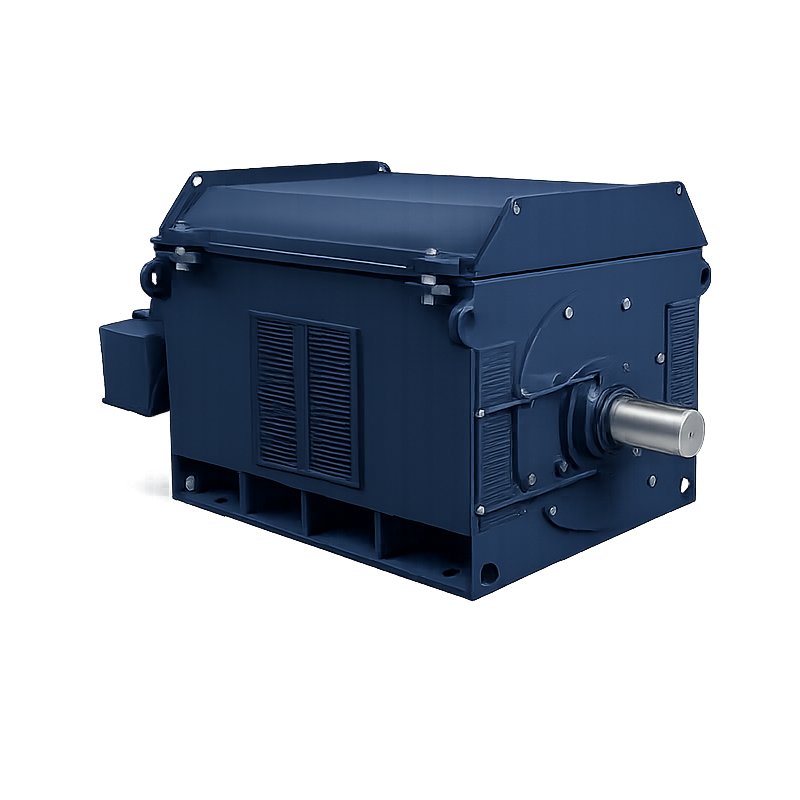

Why Wound Rotor Design Matters in High-Voltage Applications
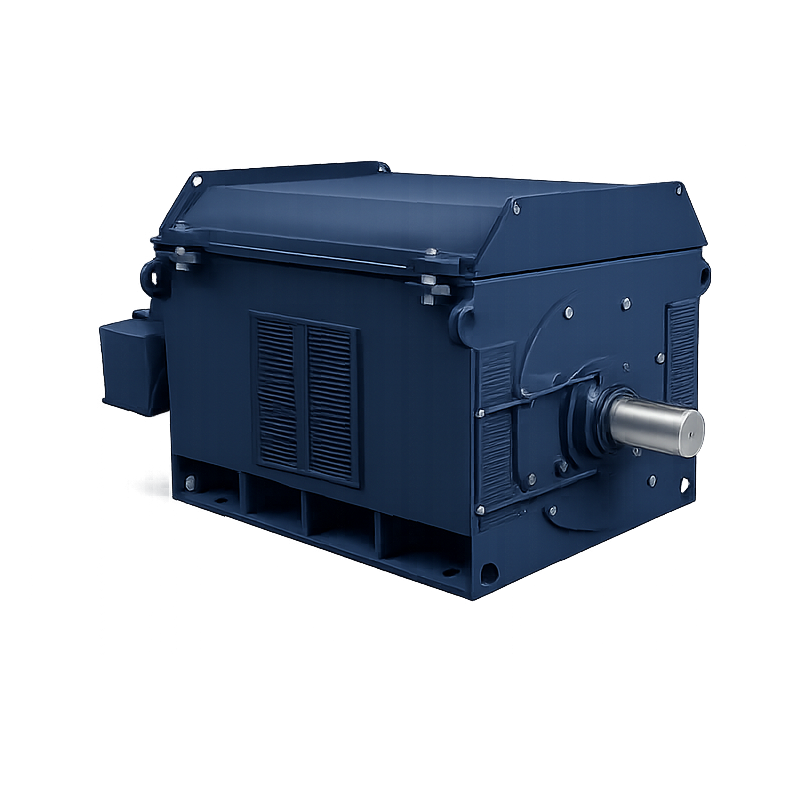
In demanding industrial environments — mining conveyors, ball mill drives, large compressors, or heavy crane hoists — the ability to control starting torque and limit inrush current is not optional. It is a system requirement. This is precisely where the wound rotor architecture of HV Wound Rotor Induction Motors delivers a fundamental engineering advantage over squirrel cage designs.
Unlike a cage rotor, the wound rotor features a three-phase winding brought out through slip rings to external resistance banks. By varying this external resistance during startup, operators can achieve high starting torque at low starting current — typically reducing inrush to 150–200% of rated current versus 600–800% for direct-on-line cage motors. For high-voltage systems operating at 3 kV, 6 kV, or 10 kV, this directly protects upstream switchgear, transformers, and cable infrastructure from thermal and mechanical stress.
ICEM Electric works closely with its manufacturing partners to ensure that the rotor winding insulation, slip ring surface finish, and brush gear assembly all meet the elevated standards required for high-voltage service — factors that are easy to overlook when sourcing motors from general catalogue suppliers.
Voltage Classes, Frame Sizes, and Output Ratings — What the Numbers Mean
High Voltage Slip Ring AC Motors are generally manufactured in accordance with IEC 60034 series standards, with common stator voltage ratings of 3 kV, 6 kV, and 10 kV (50 Hz or 60 Hz). Output power ranges typically span from around 200 kW up to several megawatts, with synchronous speeds of 750, 1000, or 1500 rpm being the most common in industrial procurement.
Frame sizes follow IEC or national standards such as GOST, which remains widely adopted across Russia and CIS markets. Key nameplate parameters to evaluate when specifying include:
- Insulation class — Class F (155°C) is standard; Class H (180°C) is preferred for high-ambient or enclosed installations
- IP rating — IP54 covers most industrial environments; IP55 or IP65 for outdoor or dusty conditions
- Duty cycle — S1 (continuous) is standard; confirm if cyclic or intermittent duty is required
- Rotor voltage and current at standstill — critical for sizing the external resistance starter or liquid rheostat
- Efficiency class — IE2 or IE3 depending on regional regulatory requirements and energy cost sensitivity
For cross-border procurement in particular, confirming that the motor's terminal markings, cooling arrangement (IC01, IC411, IC611), and mounting configuration (IM B3, IM B35) align with the site installation drawing prevents costly delays during commissioning.
Slip Ring Assembly: Maintenance Considerations Over the Motor's Service Life
The slip ring and brush assembly is the one moving contact interface in an otherwise robust AC machine, and it deserves specific attention in maintenance planning. Slip rings are typically manufactured from forged steel or brass alloy, precision-ground and hardened to reduce brush wear. Carbon-graphite brushes ride on the rings under spring-loaded pressure, transferring rotor circuit current to the external resistance.
| Maintenance Item | Typical Interval | Key Indicator |
|---|---|---|
| Brush inspection & replacement | Every 2,000–4,000 hours | Brush length below minimum; sparking at ring surface |
| Slip ring surface polishing | Annual or as needed | Surface roughness Ra > 0.8 µm; visible grooving |
| Brush holder spring tension check | Every major overhaul | Contact force deviation > ±15% from spec |
| Rotor winding insulation resistance | Before each commissioning season | IR < 1 MΩ (corrected to 40°C) signals moisture ingress |
Proper brush grade selection — matched to the specific ring material, peripheral speed, and current density — has a measurable impact on ring wear rate and overall maintenance cost. As part of its technical consulting services, ICEM Electric can assist procurement and maintenance teams in specifying the correct brush grade and determining optimal contact pressure settings based on the operating profile of the motor.
Selecting the Right Exporter: What to Verify Beyond the Catalogue
Working with a qualified ac slip ring induction motor Exporter involves more than confirming whether a given frame size is in stock. For high-voltage equipment destined for critical industrial processes, the verification checklist should address documentation, testing, and supply chain continuity:
- Factory test reports — routine tests per IEC 60034-1 (winding resistance, no-load, locked rotor) should be standard; type test records (temperature rise, efficiency, noise) indicate a mature manufacturing process
- Third-party inspection capability — for large orders, the ability to arrange witnessed factory acceptance testing (FAT) is a meaningful differentiator
- Spare parts availability — brush sets, slip ring assemblies, and bearing kits should be sourced and stocked, not ordered on demand from the factory
- Export documentation — HS code classification, certificate of origin, packing lists with net/gross weights and dimensions are standard requirements for customs clearance in CIS and Eastern European markets
- Long-term delivery reliability — partnership with multiple qualified manufacturers rather than single-source dependency reduces the risk of lead time disruptions on repeat orders
These criteria reflect the operational framework that has shaped our approach to motor supply since the company's founding — ensuring that every shipment is backed by verifiable technical documentation and a logistics chain designed for reliability across long-distance trade routes.


