

 English
 中文简体
中文简体 русский

 +86-15021943462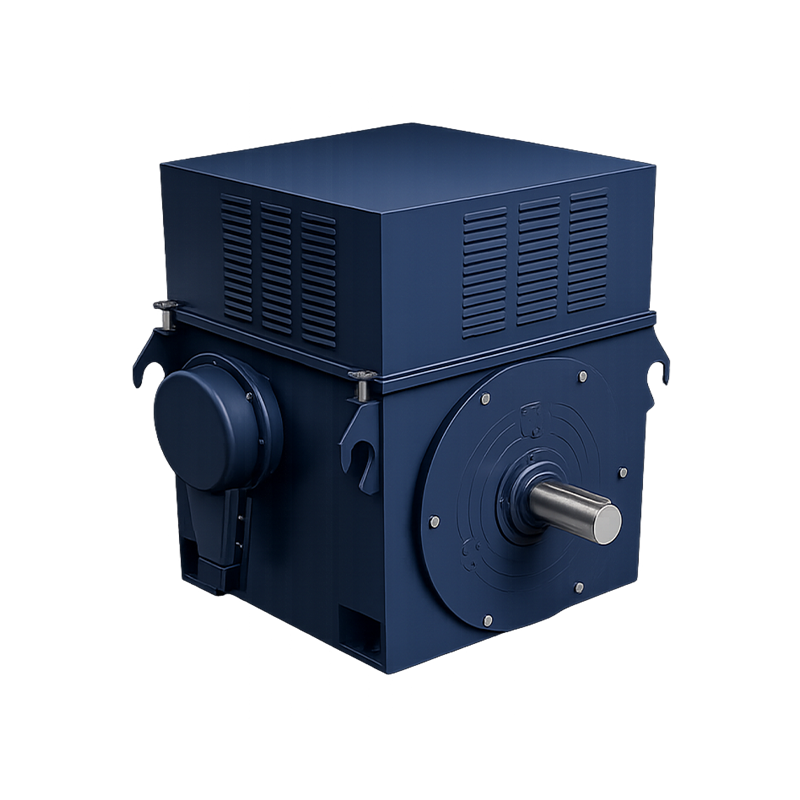
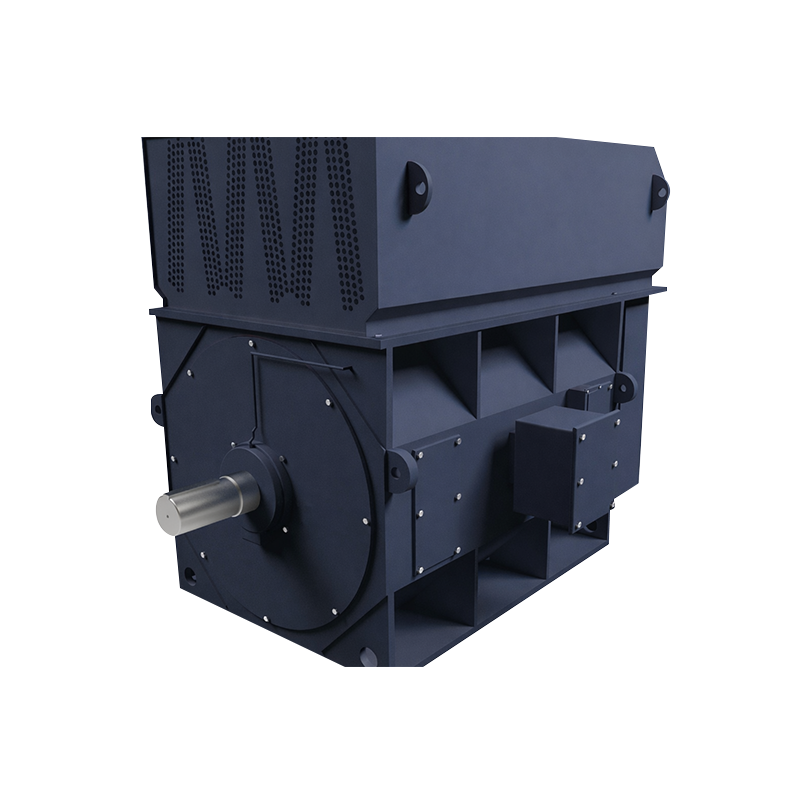
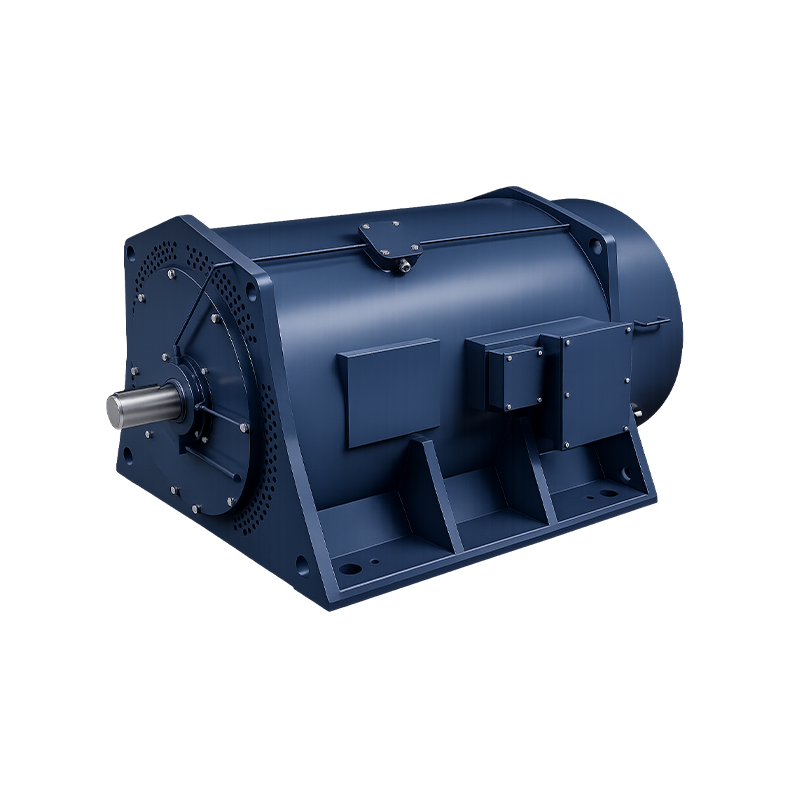
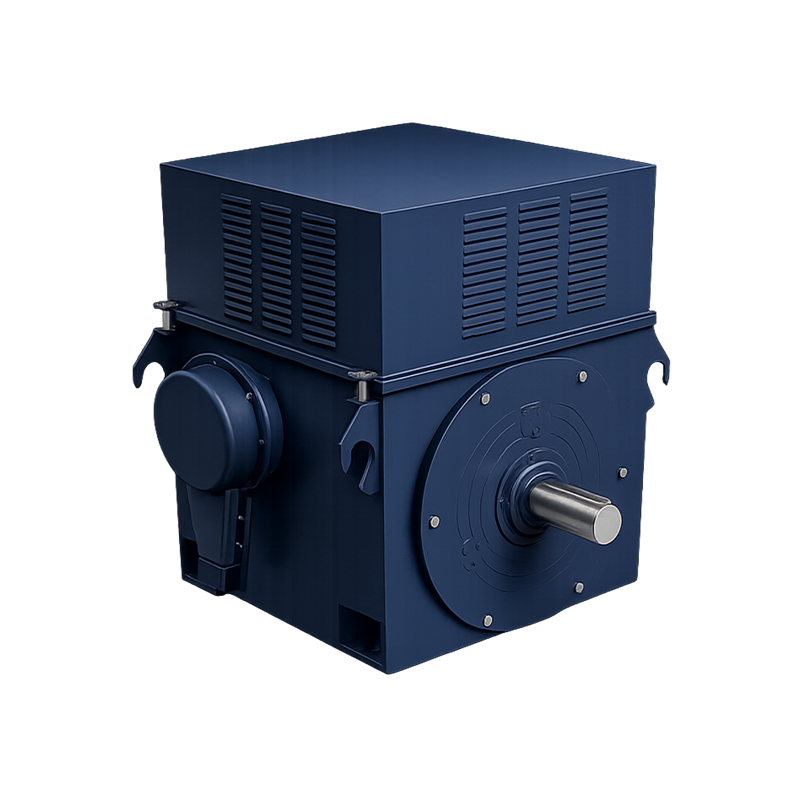
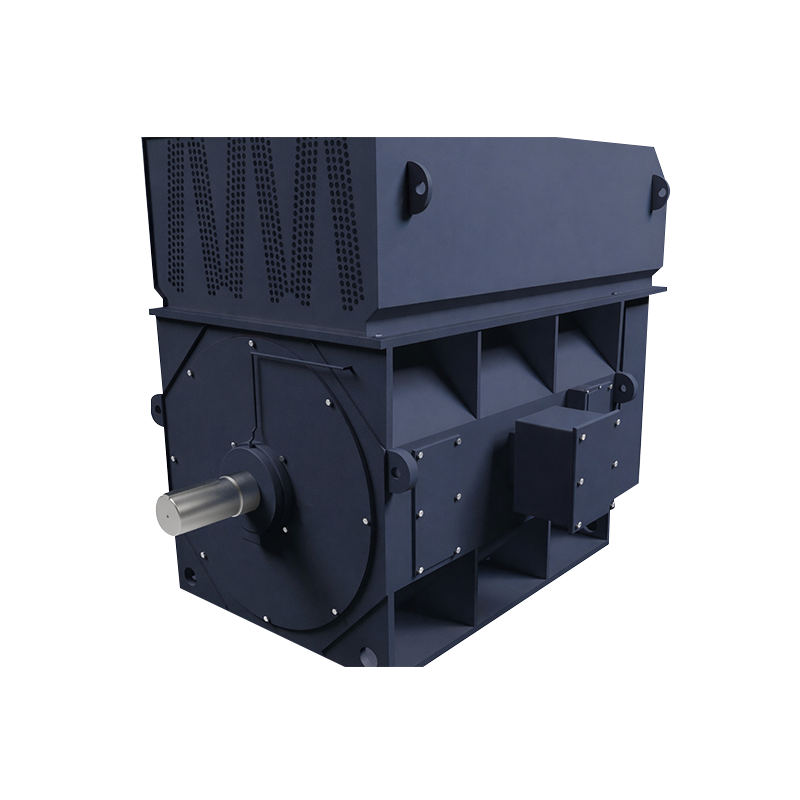
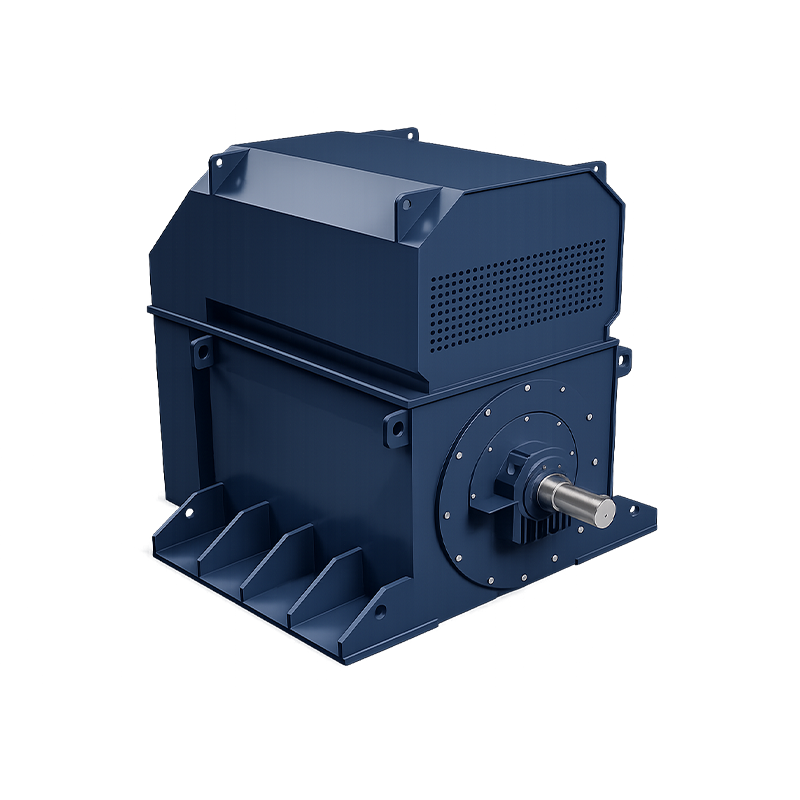
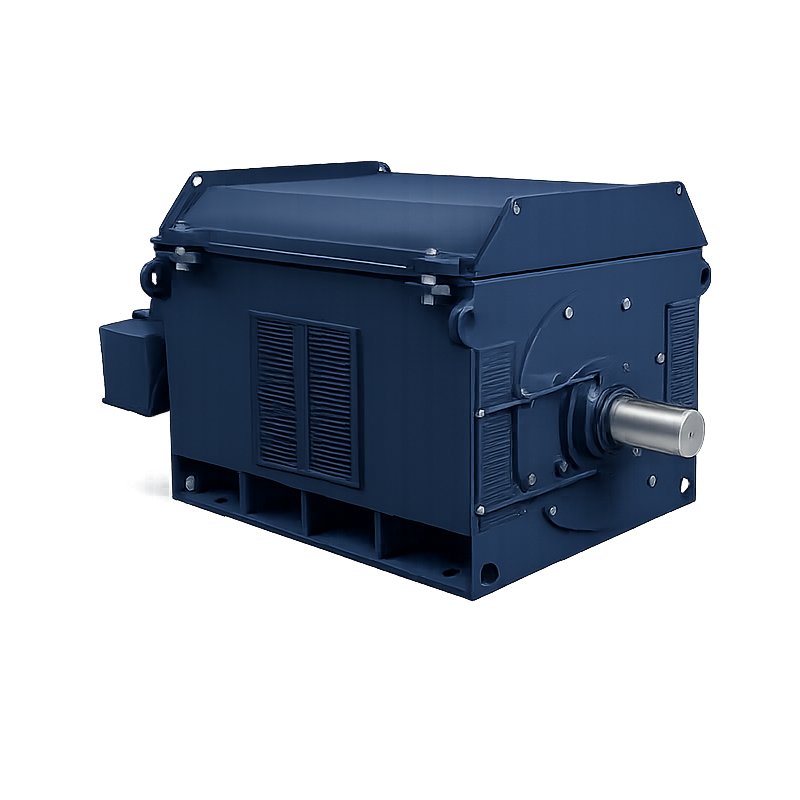
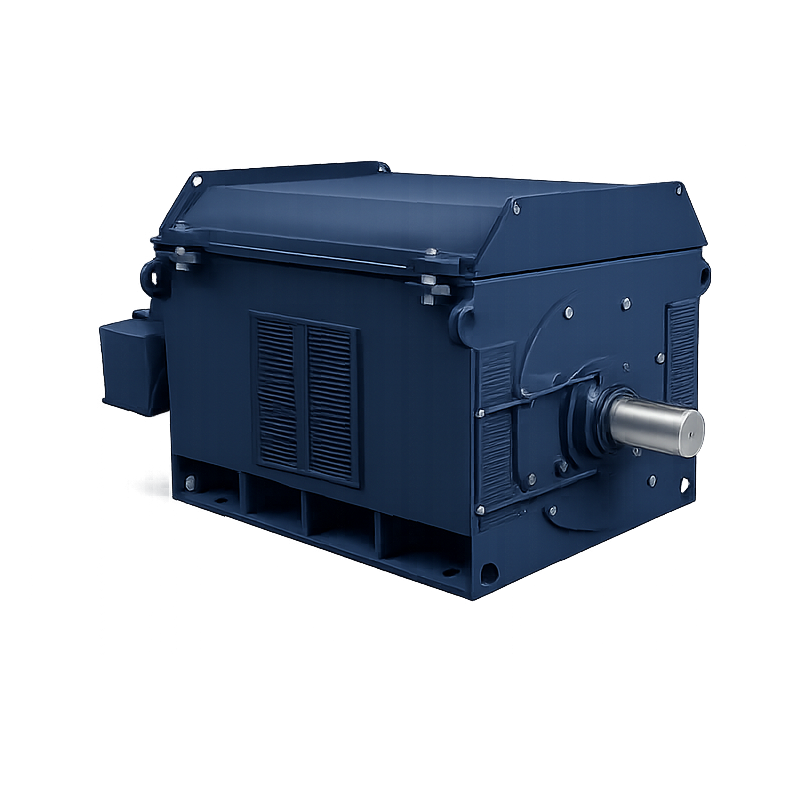

How exactly do Industrial AC Electric Motors drive the efficient operation of modern heavy industry?
In modern heavy industrial systems, Industrial AC Electric Motors are often considered standard power units. However, a closer look at energy, mining, metallurgy, and large-scale processing plants reveals that they are far more than just devices providing rotation; they are the fundamental source of stability for the entire production system.
Many industrial failures do not originate from the process itself, but rather from fluctuations in the power system. The motor's starting characteristics, thermal stability, shock resistance, and even its power supply adaptability directly affect the continuity of the entire production line. Therefore, the value of AC motors has long transcended the motor itself, entering the realm of system reliability.
What is the true role of industrial AC motors in heavy industry?
In mining hoists, motors must withstand the mechanical shocks of frequent starts and stops; in metallurgical rolling mills, they need to withstand extremely high load changes instantaneously; in energy transmission systems, they must maintain uninterrupted operation for extended periods.
These scenarios share a common characteristic: operating conditions far deviate from ideal states. Motors must not only output stable torque but also maintain performance stability under conditions of voltage fluctuations, temperature changes, and even mechanical shocks.
Therefore, in these fields, motors act more as system stabilizers than simply drive sources.
Why is traditional parameter-based thinking about motors no longer sufficient?
Past industrial selection practices relied heavily on power, speed, and frame size. While this approach remains effective in standardized equipment, problems are becoming increasingly apparent in complex industrial systems.
The same motor might perform well in a conveyor system but age prematurely on a crushing machine with frequent start-stop cycles. The problem is not with the motor itself, but with the lack of matching between operating conditions and design.
Modern industry is increasingly focusing on operating curves rather than single-point parameters. Load fluctuation range, starting frequency, continuous operating time, and environmental conditions have all become crucial variables in motor selection.
This shift is essentially a move from product-centric thinking to systems-centric thinking.
Customization of industrial motors is becoming a fundamental capability
In complex projects, more and more companies are no longer satisfied with standard models; they require motors that can be directly adapted to specific equipment.
For example, in high-altitude areas, heat dissipation capabilities must be redesigned; in high-humidity environments, insulation systems need reinforcement; and in variable frequency drive systems, electromagnetic design must be optimized to reduce additional losses. These adjustments, seemingly minor, directly impact the overall system's efficiency and lifespan.
Therefore, customization is no longer a high-end option, but a fundamental capability in the industrial motor field.
How does Icem Electric Co., Ltd. understand the engineering value of industrial motors?
In the field of industrial AC motors, Icem Electric Co., Ltd. focuses more on how the motor operates within a system, rather than simply how the motor itself is manufactured.
As a Chinese manufacturer of industrial AC motors and a multiphase induction motor factory, our products are widely used in energy, mining, metallurgy, and heavy industrial equipment, serving equipment manufacturers, engineering companies, and end-users.
Unlike traditional manufacturing models, we emphasize engineering involvement. Motor selection is not done from product catalogs, but based on project-specific analysis. For example, motors of the same power rating may have completely different design priorities under different starting methods and load characteristics.
The core of this approach is to ensure the motor truly adapts to the system, rather than forcing the system to accommodate the motor.
Why are stable supply and consistent quality so critical?
In industrial projects, motors are often not single units, but rather system components used in batches. Performance deviations can affect not just individual devices, but the entire production line.
Therefore, supply chain stability and quality consistency are critical factors.
Icem Electric ensures consistent product performance throughout long-term, batch deliveries through a stable supply chain and rigorous manufacturing control processes. From material selection and manufacturing processes to factory testing, every step revolves around operational reliability.
For heavy industry users, this consistency is more important than the performance specifications of individual units.
Industrial collaboration is shifting from transactional to collaborative
In the traditional model, the relationship between motor suppliers and users is a clear buyer-seller relationship. However, this relationship is changing in modern industrial projects.
Longer project cycles, more complex systems, and more continuous maintenance chains necessitate motor suppliers' involvement in extended operational support.
Icem Electric prefers to view collaboration as an engineering partnership rather than a one-time delivery. We focus not only on the performance of the motor at the delivery stage but also on its performance feedback throughout the operational cycle, continuously optimizing solutions accordingly.
FAQ
What is the greatest value of industrial AC motors in heavy industry?
Their core value lies not only in providing power, but also in maintaining system stability under complex operating conditions.
Why do motors of the same power perform so differently on different devices?
Because in actual operation, performance is affected not only by power, but also by load characteristics, starting frequency, and environmental conditions.
Does a customized motor increase costs?
Initial design costs may be slightly higher, but in long-term operation, they typically reduce maintenance costs and extend equipment life.
What are Icem Electric's main advantages?
The advantages lie in its engineering drive capabilities, stable supply chain, and ability to match motor systems based on operating conditions.
What is the future development direction of industrial motors?
Greater system adaptability, stronger environmental adaptability, and deep integration with intelligent control systems.


