
 English
 中文简体
中文简体 русский

 Read More

Product Category
NEW Category
Contact us
Contact Us
We specialise in the research, development and manufacture of electrical wires and cables.
 +86-15021943462
IC01 vs IC06 vs IC511 vs IC611: How Cooling Methods Impact Motor Life and Duty
Continuous heavy-duty motor operation in mining, steel, and cement plants places sustained thermal stress on winding insulation. A motor that runs at rated load for hours under dusty airflow can see winding temperature climb 10°C above design limits every time intake filters restrict air. That 10°C increase cuts insulation life roughly in half. This is why the cooling code on a motor nameplate IC01, IC06, IC511, or IC611 is one of the most consequential and often overlooked parameters in motor selection. In this guide, Icem Electric Co., Ltd. compares the four cooling patterns and shows how each affects performance and service life under continuous heavy-duty operations.
Content
- 1 IC01 vs IC06 vs IC511 vs IC611: What the Cooling Codes Actually Mean
- 2 How Cooling Method Directly Affects Winding Temperature and Insulation Life
- 3 Practical Selection Guide for Continuous Heavy-Duty Operations
- 4 When Each Cooling Method Performs Best in Industry
- 5 Which Cooling Method Should You Specify?
- 6 Frequently Asked Questions
IC01 vs IC06 vs IC511 vs IC611: What the Cooling Codes Actually Mean
Each IC code defines a different route for cooling air through the motor frame. IC cooling codes are standardized in IEC 60034-6 and mirrored in GOST standards. The four codes cover the main construction choices used in industrial high-voltage motors.
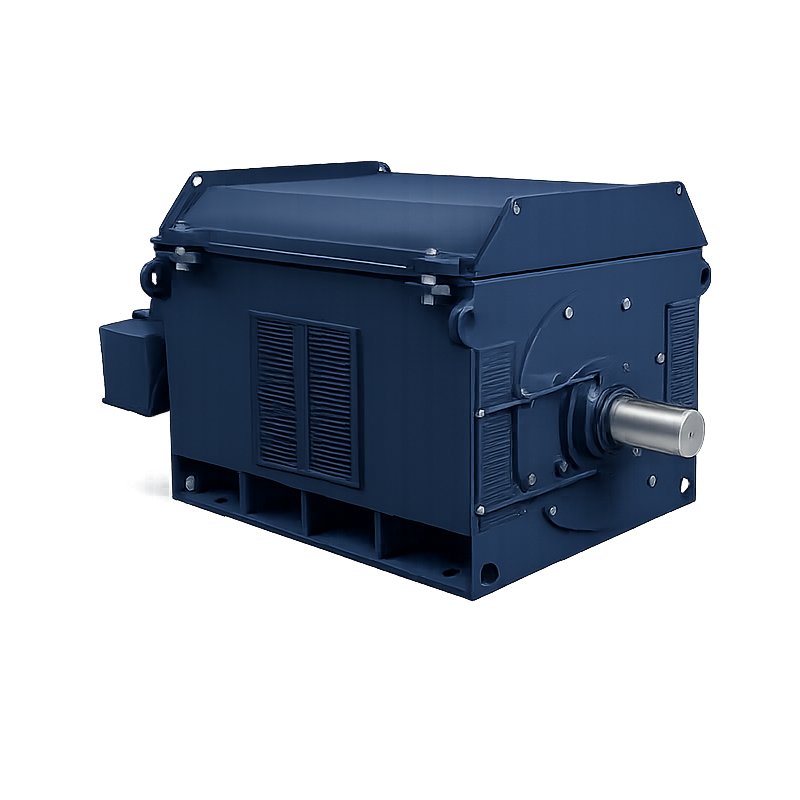
IC01 is an open self-ventilated motor with a shaft-mounted fan that draws ambient air in at one end and discharges it at the other. It normally has an IP23 frame. IC06 is also open, but the inlet air is supplied through a duct, so the motor can pull cooler and cleaner air from outside the dusty process area. IC511 is a totally enclosed fan-cooled (TEFC) motor. No ambient air enters the windings; the shaft-mounted fan blows air over the external ribbed frame, and the protection level is normally IP54 or higher. IC611 is also totally enclosed, but it adds an outlet duct that directs the heated frame-cooling air out of a confined space.
Because these four cooling codes create very different airflow paths and enclosure ratings, the winding temperature under continuous load differs significantly.
IC01/IC06Open cooling air path
IC511/IC611Totally enclosed frame
IP23 vs IP54Protection rating
10°CHalf insulation life
| Cooling Code | Protection Rating | Cooling Air Path | Typical Duty |
| IC01 | IP23 | Open, motor-frame fan | Indoor, clean air |
| IC06 | IP23 | Ducted inlet, open outlet | Indoor, ducted supply |
| IC511 | IP54/55 | Totally enclosed, fan-cooled frame | Dusty, continuous |
| IC611 | IP54/55 | Totally enclosed, outlet duct | Continuous, exhaust duct |
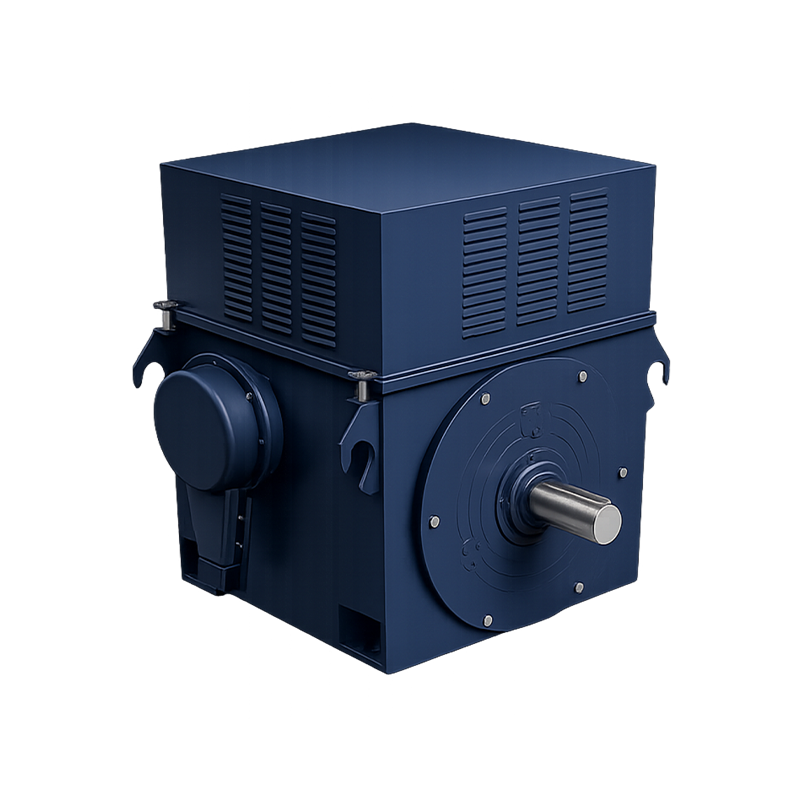
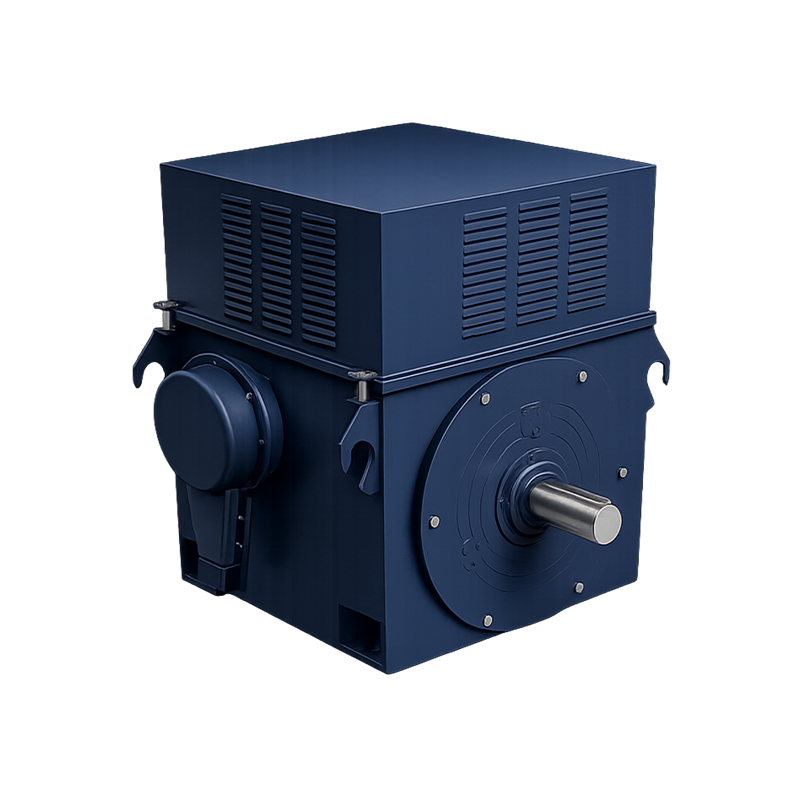
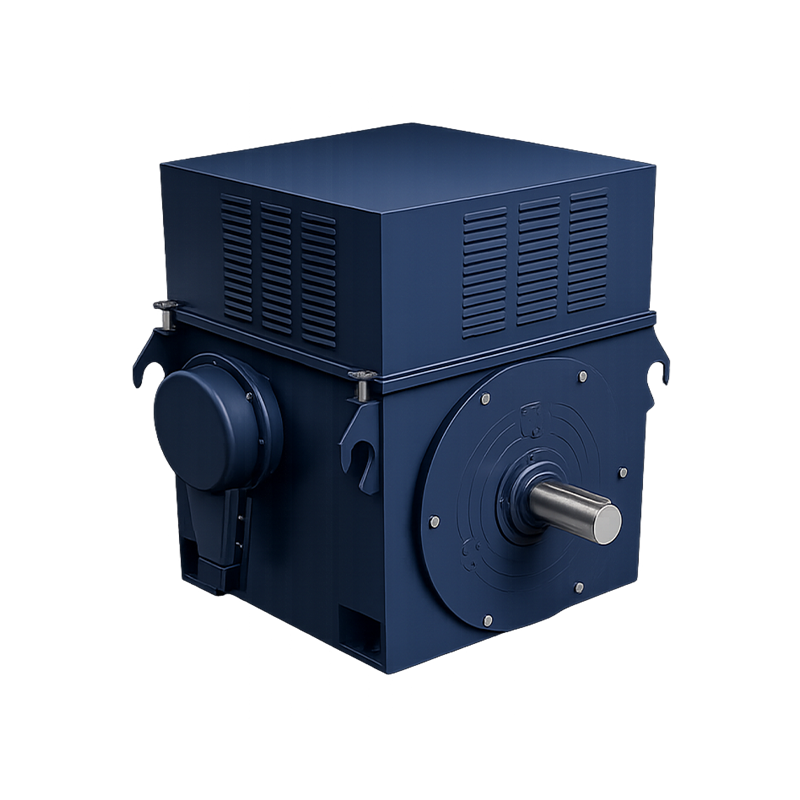 GOST Standard IP23 IC01/IC06 High Voltage Squirrel Cage Induction MotorThis open-ventilated motor is suited for clean environments where cooling airflow is unrestricted, but may run warmer than enclosed designs in dusty or humid continuous operations.View Product →
How Cooling Method Directly Affects Winding Temperature and Insulation Life
In continuous heavy-duty operations, IC511 and IC611 motors normally run cooler than IC01 and IC06 motors in dusty or humid environments.
Open motors draw ambient air into the windings and airflow path. Dust and humidity settle on the cooling fins and intake filters, gradually choking the ventilation route. Between maintenance shutdowns, the winding temperature can rise far above the design point. Totally enclosed IC511 and IC611 motors have no air inlet. Rotor heat is transferred through the internal air circulation to the external ribbed frame, where a shaft-mounted fan keeps the surface temperature stable even when the surrounding air is polluted.
In clean laboratory tests, the winding temperature difference between an IC511 motor and an IC01 motor may be only 5 to 10°C. In a dust-loaded plant with blocked intake filters, the same IC01 motor can run 15 to 25°C hotter than the IC511 motor. Because winding temperature follows the 10°C rule, a 15 to 25°C difference shortens insulation life to one quarter or less of the enclosed motor.
The 10°C rule is the shortest way to explain why cooling selection is a maintenance decision, not just a nameplate detail. Every 10°C of winding temperature rise halves the expected insulation life.
Practical Selection Guide for Continuous Heavy-Duty Operations
Select the cooling method by matching contamination level, maintenance capacity, and space constraints at the plant.
When deciding between open cooling and totally enclosed cooling, review these operational factors in the order they appear:
- Dust, humidity, or aggressive gas concentration in the ambient air
- Accessibility and cleaning frequency of intake filters and cooling fins
- Availability of an exhaust duct or a dedicated ventilation chamber
- Required protection rating: IP23 versus IP54 or higher
- Continuous duty share of the total running time
Open Cooling: IC01 and IC06
Lower first cost. Excellent direct heat removal when the intake air is clean and dry. Simple construction and easy access to the windings for internal inspection. However, blocked filters cause rapid winding temperature escalation, and dust entering the motor increases rotor cleaning and bearing maintenance costs.
Totally Enclosed Cooling: IC511 and IC611
Higher cost. Internal windings are almost unaffected by plant contamination. Stable winding temperature is maintained during continuous heavy duty. Requires periodic blowing of the external cooling fins. If the installation space is tight, an outlet duct is needed on IC611 to push heated frame air out of the room.
When Each Cooling Method Performs Best in Industry
IC511 is the default choice for most continuous heavy-duty applications because it provides IP54 protection without external ducting.
IC01 and IC06 in Clean Indoor Rooms
Open machines are acceptable for indoor installations with controlled airflow and regular filter cleaning. IC06 is preferred when the room air is full of process dust but a separate clean-air intake duct can be routed from outside.
IC511 for Dusty and Continuous Duty
TEFC motors are the standard in mining, steel, and cement plants. The shaft-mounted fan keeps the ribbed frame cool while the enclosed housing protects the winding insulation from abrasive dust. This construction supports a long bearing life and reliable operation even under severe duty cycles.
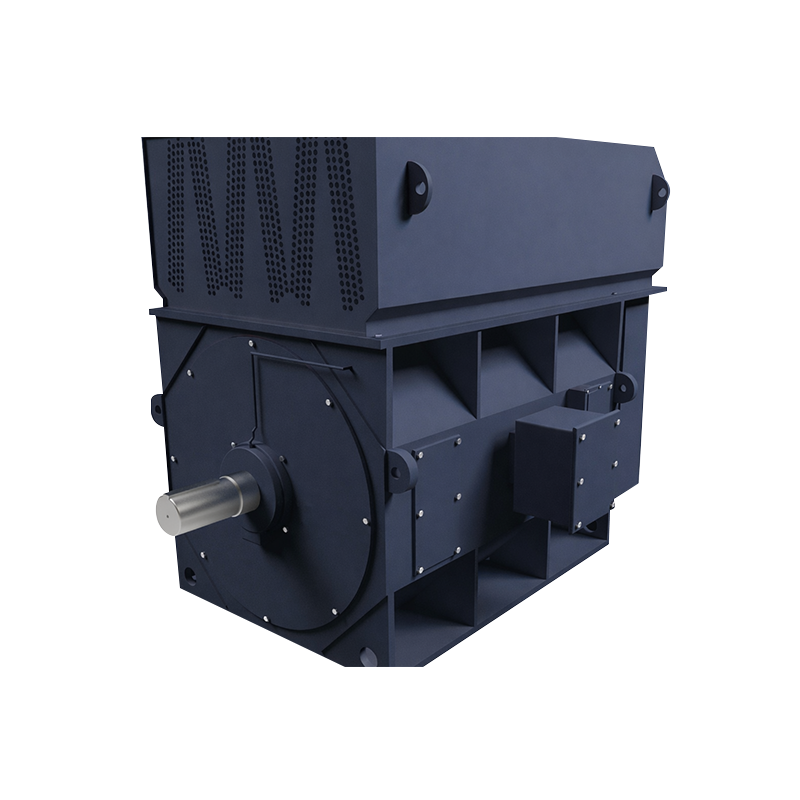
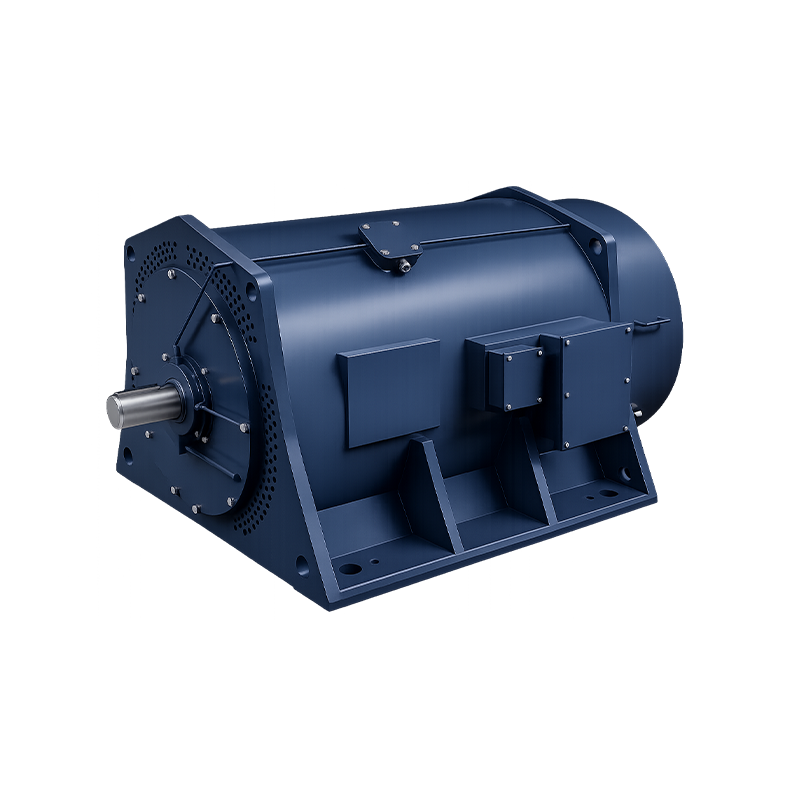 GOST Standard IP54 IC511 High Voltage Squirrel Cage Electric MotorThis totally enclosed fan-cooled motor withstands abrasive dust and moisture, offering reliable performance and lower winding temperatures in severe heavy-duty applications.View Product →
IC611 for Confined Spaces
When a motor is installed in a compact machine room or inside a skid, the heated air produced around the frame must be removed. IC611 uses an outlet duct to extract the heated surface air, so the enclosure remains tightly sealed while the room temperature stays within the motor operating limit.
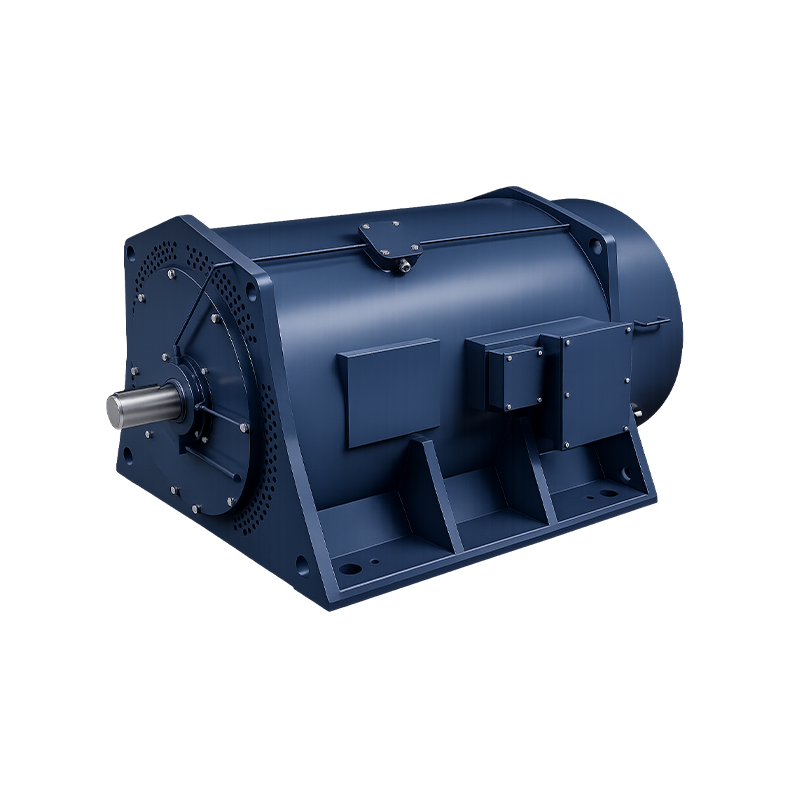
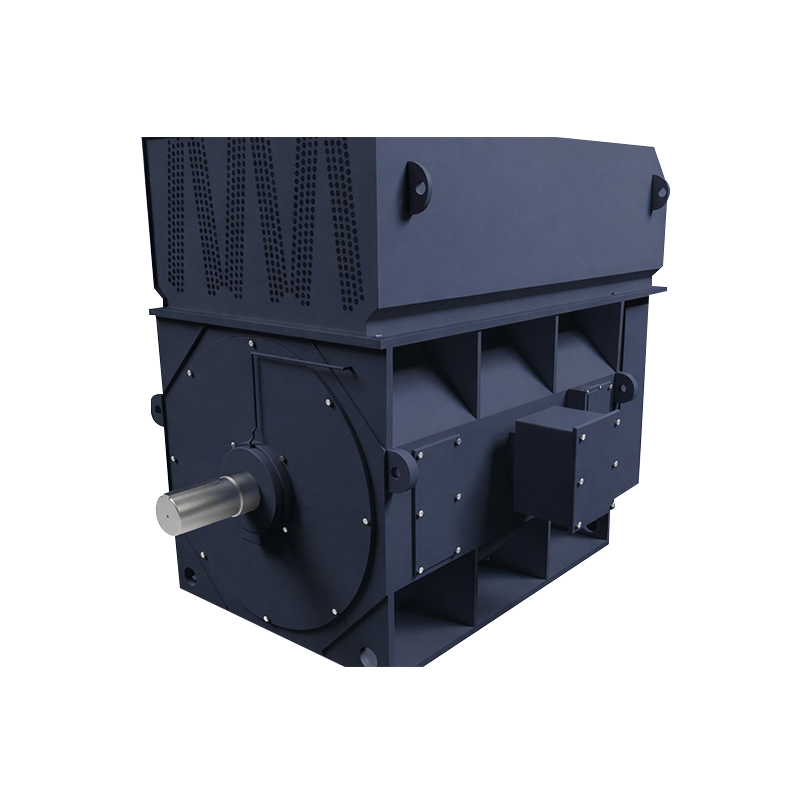 GOST Standard IP54 IC611/IC616 High Voltage Squirrel Cage Asynchronous MotorWith ducted exhaust cooling, this motor maintains a sealed enclosure while removing heated surface air, making it ideal for compact machine rooms or skid installations.View Product →
Which Cooling Method Should You Specify?
Specify IC511 for most continuous heavy-duty operations, unless the site design requires ducted exhaust or does not tolerate a totally enclosed motor.
Use this decision path when writing a purchase specification:
- If the environment is clean, dry, and open, IC01 with IP23 is acceptable.
- If the ambient air is dusty but a clean-air duct can be installed, IC06 is a practical compromise.
- For continuous duty in dusty or humid conditions, specify IC511 with IP54 or higher.
- If the free space around the motor is limited, specify IC611 with an outlet duct.
The same logic applies to GOST and IEC-rated machines. Icem Electric Co., Ltd. supplies both standards and reviews the cooling method together with protection rating and insulation class before every quotation. Get more context on motor sizing in this article on large-scale industrial electric motor selection, and review the mechanical duty point separately if the load is a ball mill or a crane drive.
Frequently Asked Questions
What is the difference between IC01 and IC06?
IC01 is an open self-ventilated motor that draws ambient air directly through its frame. IC06 is an open motor whose inlet air is supplied through a duct, allowing it to pull cleaner air from outside the dusty area. Both normally use IP23 frames.
How much does cooling method affect motor life?
Under continuous heavy-duty operation, the cooling code directly affects winding temperature. Changing from an IC01 open design to an IC511 totally enclosed design can lower winding temperature rise by 15 to 25°C in dusty plants, which can extend insulation life by two to four times based on the 10°C rule.
Is IC511 good for continuous heavy-duty operations?
Yes. IC511 is commonly used for continuous duty because the fully enclosed frame keeps dust and moisture out of the windings while the shaft-mounted fan cools the external ribbed frame. It is the preferred option for severe-duty motors in mining, steel, and cement plants.
What standards define IC cooling codes?
IC cooling codes are defined in IEC 60034-6. GOST standards also use the same IC numbering system for Russian-market motors, which is why IC01, IC06, IC511, IC611 appear on both IEC and GOST rated machines.
PREV:No previous article
NEXT:IP23 vs IP54 vs IP55 Enclosures: How to Choose the Right Protection Level
NEXT:IP23 vs IP54 vs IP55 Enclosures: How to Choose the Right Protection Level
Interested in cooperation or have questions?
Let'S Work Together Welcome Aboard!
-

-
 +86-15021943462
 -
 Room 2326, 23rd Floor 2000 Zhongshan North Road Putuo District Shanghai, China
Join Our Mailing List
Product Categories
Quick Links
Quick Links
