
 English
 中文简体
中文简体 русский

 Read More

Product Category
NEW Category
Contact us
Contact Us
We specialise in the research, development and manufacture of electrical wires and cables.
 +86-15021943462
Related News
IP23 vs IP54 vs IP55 Enclosures: How to Choose the Right Protection Level
Picture a maintenance engineer standing next to a high-voltage motor in a dusty cement grinding plant. The motor is IP23, mounted under a partial roof, and the site team is now considering a replacement with an IP54 or IP55 enclosure because fine cement dust is coating the windings every week. The procurement decision is not a simple price question. ICEM Electric Co., Ltd. handles this conversation daily when helping overseas industrial clients select motor protection levels. The choice between IP23 vs IP54 vs IP55 enclosures depends on three site conditions: dust load, water exposure and cooling strategy. A wrong reading of the nameplate can lead to overheating, winding failure or an unnecessary budget increase of over 30 percent.
Content
- 1 The Two-Digit System Behind IP23, IP54 and IP55
- 2 IP23 vs IP54 vs IP55: Direct Comparison for Industrial Buyers
- 3 How to Choose the Right Level for Your Industrial Environment
- 4 Pairing IP with IC Cooling Codes: Why You Cannot Separate Them
- 5 Common Specification Mistakes That Lead to Premature Motor Failure
- 6 Frequently Asked Questions About IP23, IP54 and IP55 Enclosures
The Two-Digit System Behind IP23, IP54 and IP55
An IP rating is defined in IEC 60529 by two digits. The first digit measures protection against solids; the second digit measures protection against water. For IP23, the 2 means protection against solid objects larger than 12 mm, and the 3 means protection against water spray up to 60 degrees from vertical. IP54 adds dust protection (digit 5) and protection against splashed water from any direction (digit 4). IP55 shares the same dust protection (5) but upgrades the water rating to 5, which covers low-pressure water jets from any direction.
- IP23 is an open, self-ventilated enclosure that relies on airflow and should not be exposed to rain or washdown.
- IP54 is a dust-protected, splash-proof enclosure that is the baseline for mining, cement and heavy industrial sites.
- IP55 is a dust-protected, water-jet-proof enclosure for outdoor locations and areas with hose cleaning.
IP rating: a two-digit classification system from IEC 60529 that defines how well an enclosure resists dust, objects and water ingress.
IP23 vs IP54 vs IP55: Direct Comparison for Industrial Buyers
IP54 and IP55 are the two most common choices for heavy industry, while IP23 remains a smart option only in controlled indoor environments. The comparison below shows the practical consequences of each rating for a motor buyer.
| Specification | IP23 | IP54 | IP55 |
| Solid protection | 2 (objects over 12 mm) | 5 (dust protected) | 5 (dust protected) |
| Water protection | 3 (spray) | 4 (splash) | 5 (low-pressure jets) |
| Typical IC cooling code | IC01 or IC06 | IC511 or IC611 | IC611 or IC616 |
| Suitable environment | Clean machine halls | Cement, mining, dusty plants | Outdoors, washdown areas |
| Maintenance level | Low, with airflow checks | Regular cleaning of cooling fins | Regular cleaning plus seal inspection |
Protection capability relative score
IP23
45
IP54
80
IP55
90
Scores indicate relative protection capability based on IEC 60529 test conditions, not motor performance data.
12 mm
Solid protection limit for IP23
5
Dust protection for IP54 and IP55
4
Splash water level for IP54
5
Low-pressure jet level for IP55
How to Choose the Right Level for Your Industrial Environment
The decision can be reduced to three quantities: dust concentration, moisture risk and cooling capacity. Use the five steps below to make the selection at the specification stage rather than after the motor fails.
- Rate the dust level. If visible dust accumulates on surfaces in one shift, choose an IP5x enclosure.
- Identify water sources. Splash from pumps or washdown means IP54; low-pressure hose or outdoor rain means IP55.
- Confirm the cooling method. IP23 usually pairs with IC01/IC06 and needs open airflow; IP54 and IP55 pair with IC511/IC611/IC616.
- Check the maintenance plan. IP54 and IP55 enclosures need a scheduled cleaning routine for cooling fins and seals.
- Rewrite the specification. State the full IEC or GOST code, not just IP54, to avoid ambiguity with the cooling method.
IP23 works best in
- Climate-controlled, dry indoor machine rooms
- Ventilated enclosures with filtered air
- Motors with independent cooling units
- Environments without washdown or dust storms
IP54 or IP55 work best in
- Cement, mining, crushing and grinding areas
- Outdoor installations exposed to rain
- Food or chemical plants with hose cleaning
- Any site where dust would otherwise enter windings
Pairing IP with IC Cooling Codes: Why You Cannot Separate Them
IP rating alone is insufficient. A motor with an IP54 enclosure but a poor cooling design will overheat faster than a well-cooled IP23 motor. The industry uses IC codes to define cooling, and each standard motor configuration ties a specific IC code to an IP rating.
| Enclosure | Cooling code | Typical application |
| IP23 | IC01, IC06 | Slip-ring motors, general industrial drives in clean halls |
| IP54 | IC511, IC516 | Mining, cement, ball mills and crusher duty |
| IP54 / IP55 | IC611, IC616 | Heavy continuous processes with independent cooling |
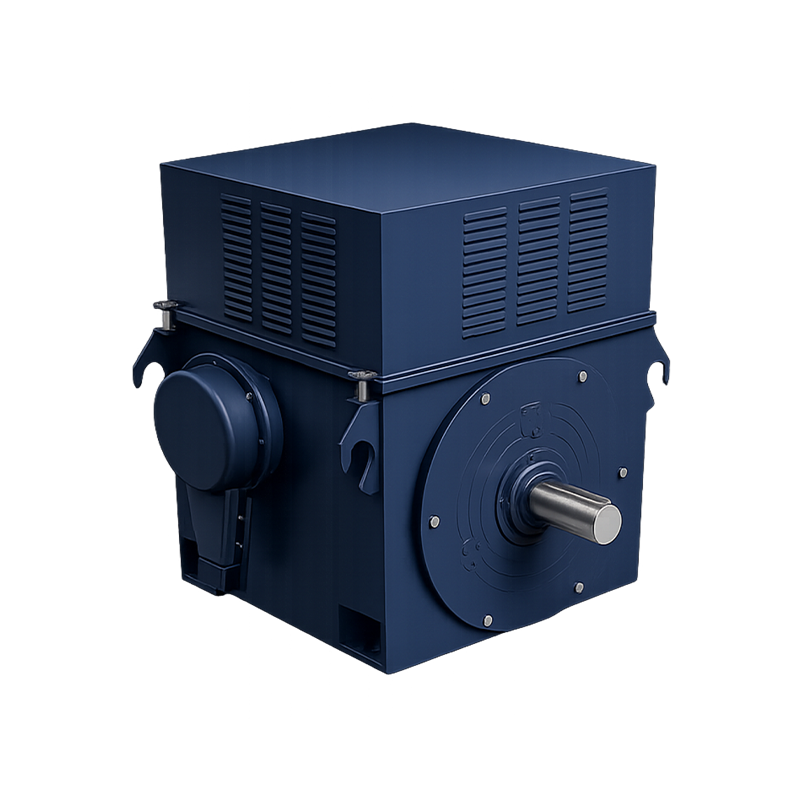
When a supplier provides a GOST standard IP54 motor, the IC code is not decorative. It tells you whether heat is rejected through surface cooling or a separate heat exchanger. For a cement ball mill motor, choose a GOST standard IP54 IC511 squirrel cage electric motor. If the application needs explosion protection, an IP54 explosion-proof induction motor is the safety-compliant route. Meanwhile, a GOST IP23 IC01 wound rotor induction motor remains a clean indoor option when the environment is dry and ventilated.
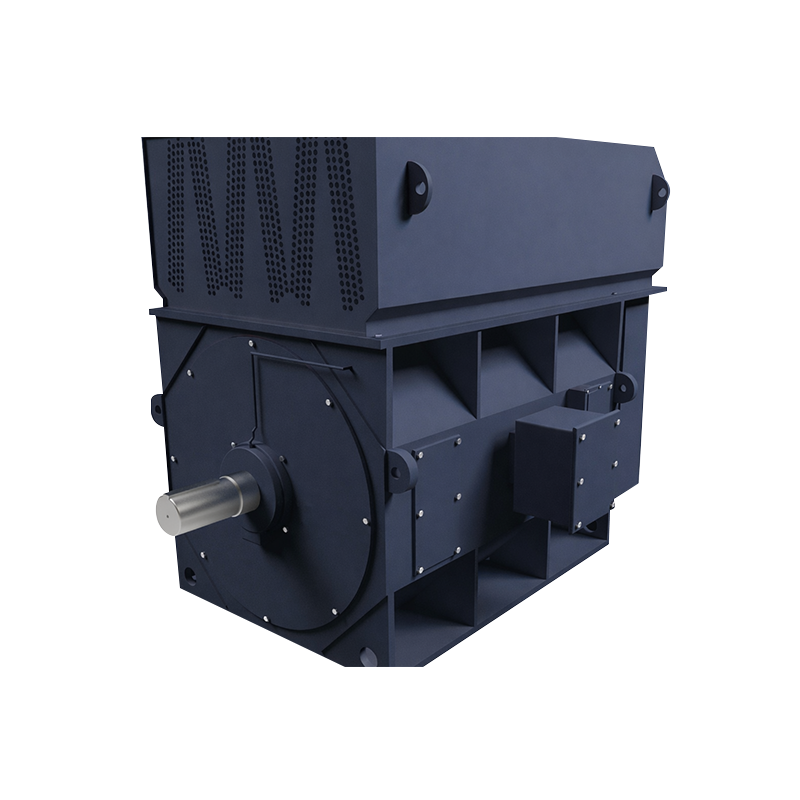
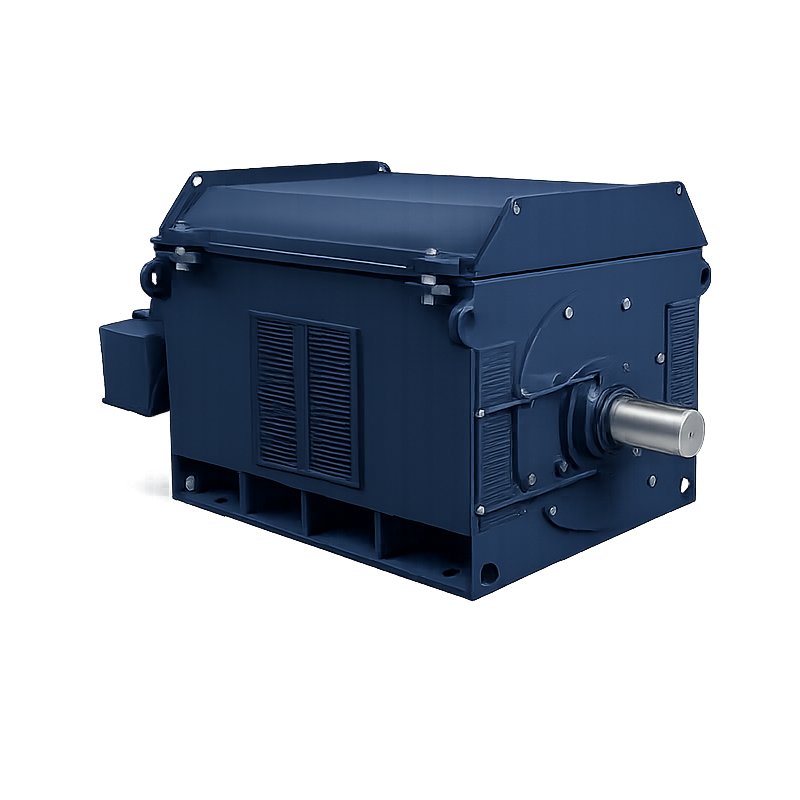
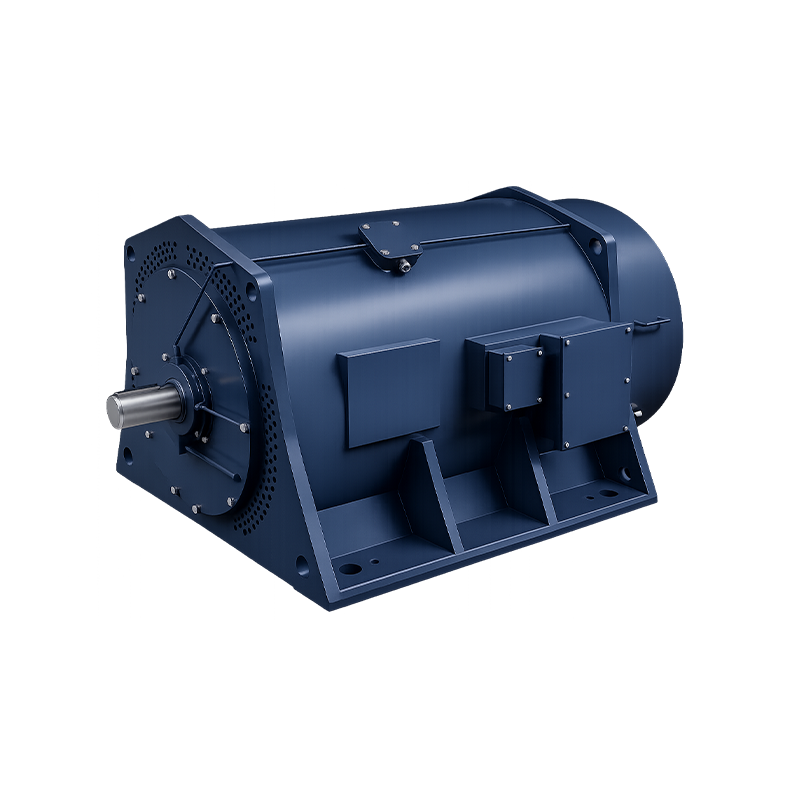 GOST IP54 IC511 High-Voltage Squirrel Cage Motor for Cement MillsThis motor's IP54 protection and IC511 cooling suit dusty, humid cement plant environments. Its squirrel-cage design offers reliable, low-maintenance operation for ball mill drives, supporting continuous high-torque applications.View Product →
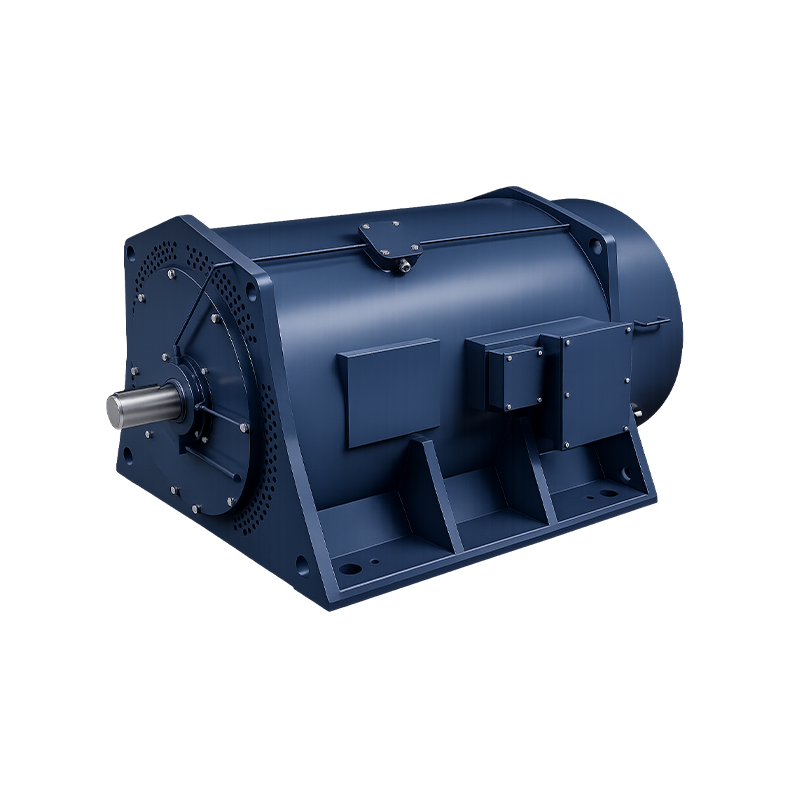
 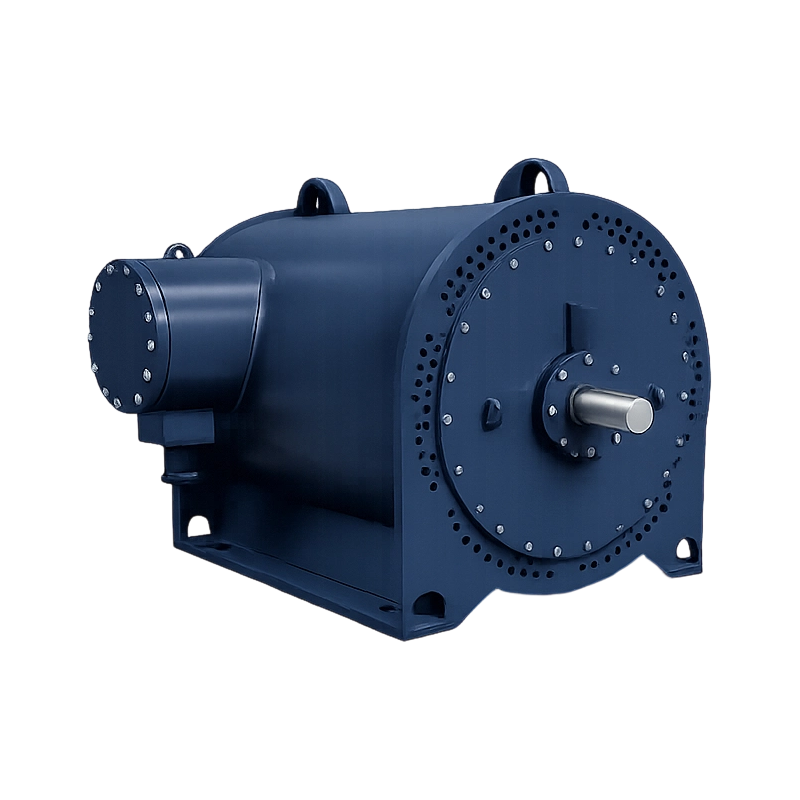 GOST IP54 Explosion-Proof Squirrel-Cage High-Voltage MotorCertified for hazardous atmospheres with explosive gases or dust, this IC511/IC516 cooled motor ensures safety in oil, gas, and chemical plants. Its robust construction and IP54 rating provide dependable performance in severe conditions.View Product →
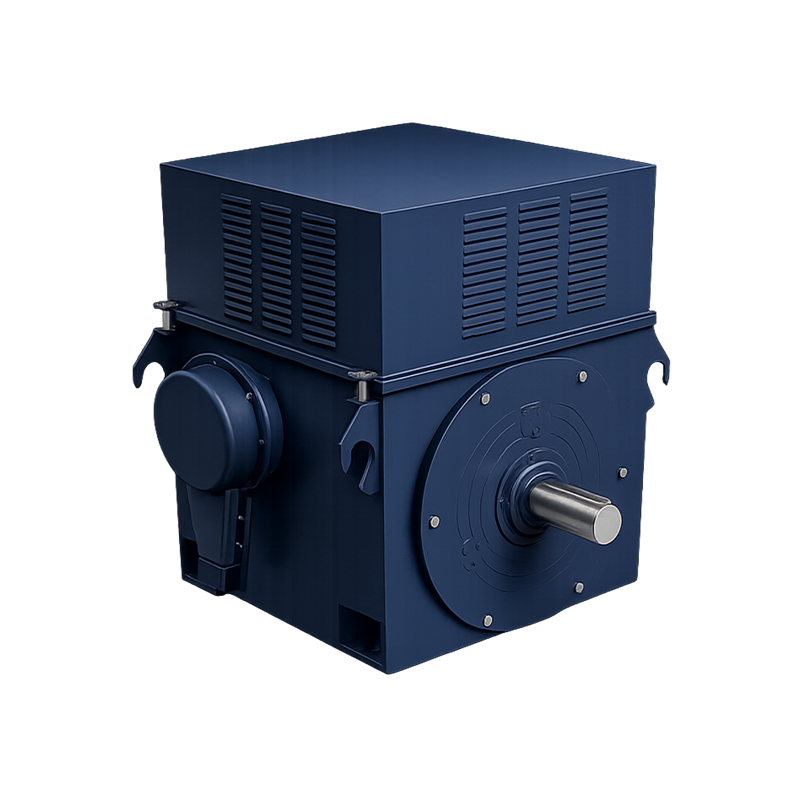
 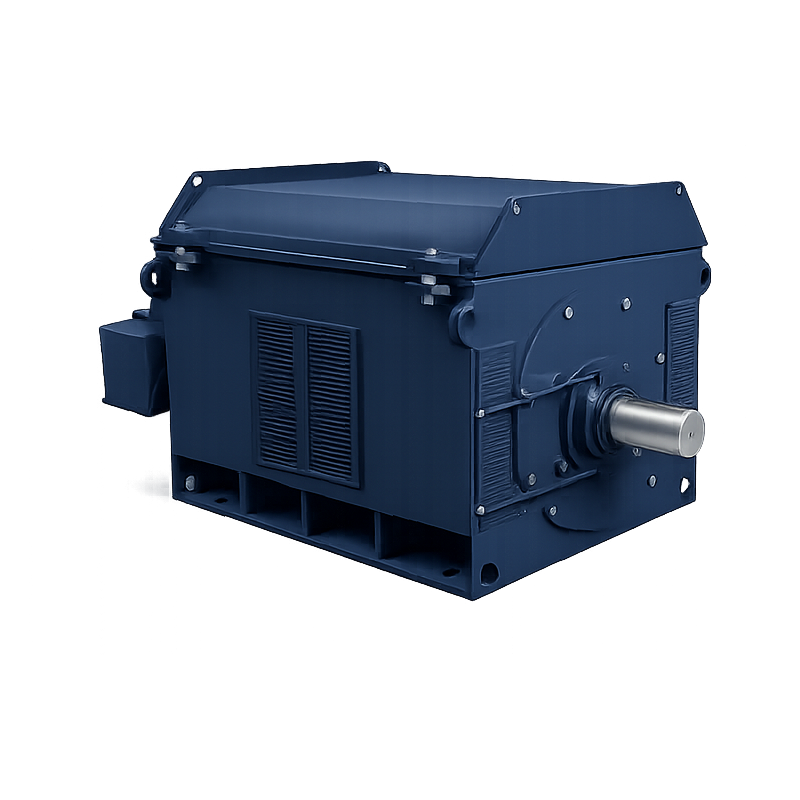 GOST IP23 IC01 High-Voltage Wound Rotor Induction MotorWith IP23 and IC01, this motor is intended for clean, ventilated indoor use. The wound rotor design allows controlled starting torque and speed, making it suitable for applications needing adjustable acceleration in dry environments.View Product →
Common Specification Mistakes That Lead to Premature Motor Failure
Most failures do not come from a wrong IP number alone; they come from ignoring the interaction between dust, water and heat. Copy-pasting an existing specification without asking whether the new site will expose the motor to hose-down cleaning or to a heavy dust layer is the next most common error. Both problems are visible in the field every year.
- Selecting IP55 for a ventilated indoor motor with insufficient surface area can cause overheating because the enclosure blocks airflow.
- Choosing IP23 for a dusty area without a filtered air supply means the motor will ingest abrasive powder.
- Reviewing only the first digit creates a gap between dust-protected (IP5x) and water-protected (IPx4 or IPx5), which are often treated as one metric.
- Assuming the IEC marking is identical to the GOST marking can create trouble on export shipments, because the test procedures are not the same.
Frequently Asked Questions About IP23, IP54 and IP55 Enclosures
Is IP55 always better than IP54?
Not always. IP55 adds protection against low-pressure water jets, but the enclosure still needs to reject heat. In a dry, dusty environment without water exposure, IP54 is sufficient and often easier to cool than an IP55 enclosure with extra sealing.
Can an IP23 motor be used outdoors?
No. IP23 is an open enclosure that allows air circulation and is not sealed against rain or dust. Outdoor installation requires at least IP54 and usually IP55 when rain or hose cleaning is expected.
What is the difference between GOST and IEC for IP ratings?
GOST 14254 aligns with IEC 60529 in principle, but local test procedures and accepted definitions can differ. When ordering for Russian or CIS markets, always state the GOST standard as well as the target IP and IC codes.
Which enclosure should I select for a ball mill motor?
Select IP54 with IC611 or IC616 cooling for a ball mill in a continuous, dusty process. The closed enclosure protects windings from abrasive dust, while the independent cooling circuit keeps winding temperatures under control.
PREV:IC01 vs IC06 vs IC511 vs IC611: How Cooling Methods Impact Motor Life and Duty
NEXT:GOST vs IEC Standard Motors: Key Design, Testing, and Certification Differences
NEXT:GOST vs IEC Standard Motors: Key Design, Testing, and Certification Differences
Interested in cooperation or have questions?
Let'S Work Together Welcome Aboard!
-

-
 +86-15021943462
 -
 Room 2326, 23rd Floor 2000 Zhongshan North Road Putuo District Shanghai, China
Join Our Mailing List
Product Categories
Quick Links
Quick Links
