
 English
 中文简体
中文简体 русский

 Read More

Product Category
NEW Category
Contact us
Contact Us
We specialise in the research, development and manufacture of electrical wires and cables.
 +86-15021943462
Why General Purpose Synchronous Motors Are Essential for Continuous Industrial Operations?
Content
- 1 Introduction: The Growing Demand for General Purpose Synchronous Motors
- 2 What Are General Purpose Synchronous Motors?
- 3 Key Features of Standard Industrial Synchro Motors
- 4 Applications of General Purpose Synchronous Motors
- 5 Why Efficiency Matters in Modern Industrial Motors
- 6 Heavy-Duty Industrial Requirements and Motor Selection
- 7 Standard Synchronous Motors Exporter Market Overview
- 8 Role of Standard Industrial Synchro Motors Exporters in Global Trade
- 9 Technological Innovations in Synchronous Motor Systems
- 10 Challenges in Industrial Motor Applications
- 11 Future Trends of General Purpose Synchronous Motors
- 12 Conclusion: The Strategic Role of Synchronous Motor Exporters
- 13 FAQ
Introduction: The Growing Demand for General Purpose Synchronous Motors
In today’s rapidly evolving industrial landscape, energy efficiency, operational stability, and system reliability have become core requirements for heavy-duty production environments. As industries continue to expand automation and increase production intensity, general purpose synchronous motors are playing an increasingly critical role in supporting stable and efficient power transmission systems.
Unlike traditional motor technologies, general purpose synchronous motors are designed to operate at a constant speed regardless of load variations. This characteristic makes them highly valuable in applications where precision, stability, and continuous operation are required. As global manufacturing systems shift toward higher efficiency standards, demand for standard industrial synchro motors exporter networks has significantly increased, especially in regions focusing on large-scale infrastructure, mining, metallurgy, and automated production systems.
At the same time, international procurement strategies are increasingly relying on standard synchronous motors exporter suppliers who can ensure consistent quality, compliance with industrial standards, and scalable production capabilities.
What Are General Purpose Synchronous Motors?
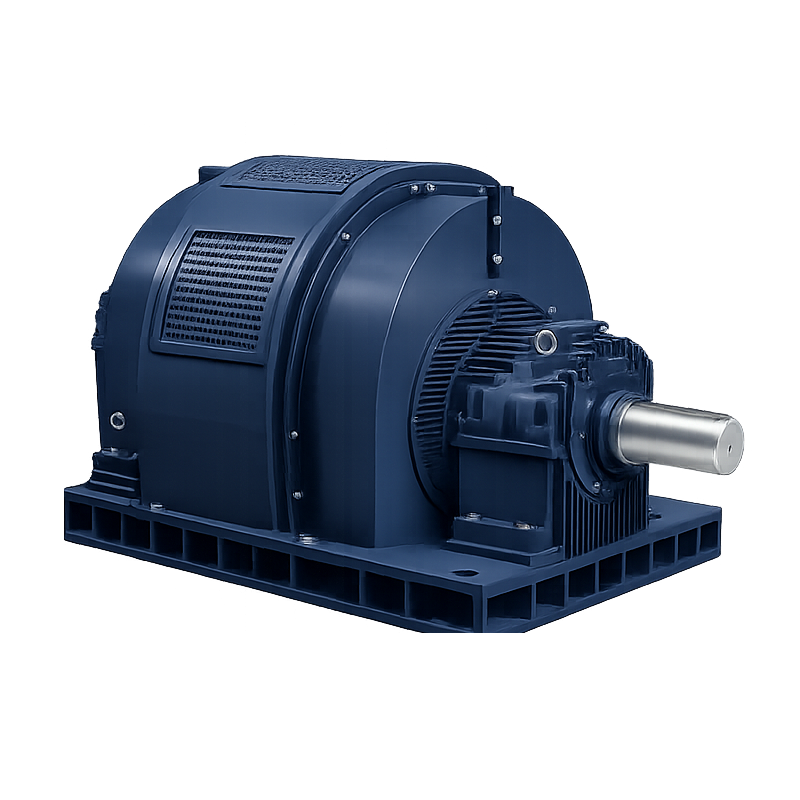
General purpose synchronous motors are alternating current (AC) motors that operate in perfect synchronization with the frequency of the supply current. Unlike induction motors, which operate with slip, synchronous motors maintain a constant rotational speed under varying load conditions.
The fundamental principle of operation is based on electromagnetic synchronization between the stator magnetic field and the rotor magnetic field. Once synchronized, the motor maintains a fixed speed determined by supply frequency and pole count.
This makes them particularly suitable for industrial systems requiring stable torque output and precise speed regulation.
Key characteristics include:
- Constant operating speed
- High operational efficiency under load
- Stable torque performance
- Strong adaptability to heavy-duty environments
- Long service life with reduced mechanical wear
These features make them a preferred choice for industries requiring continuous and reliable performance.
Key Features of Standard Industrial Synchro Motors
Modern standard industrial synchro motors are engineered to meet strict industrial requirements, particularly in high-load and continuous-operation environments. Their design emphasizes efficiency, durability, and operational stability.
One of the most significant advantages is their ability to maintain high efficiency even under fluctuating load conditions. This is particularly important in industries where energy consumption directly impacts operational costs.
Other key features include advanced thermal management systems, improved magnetic circuit design, and reinforced mechanical structures that enhance durability under harsh working conditions.
Functional Performance Overview
| Feature | Industrial Advantage |
|---|---|
| Constant speed operation | Ensures stable production processes |
| High torque capability | Suitable for heavy machinery systems |
| Improved efficiency | Reduces energy consumption |
| Thermal stability | Supports continuous operation |
| Low mechanical wear | Extends service life |
Applications of General Purpose Synchronous Motors
The application scope of general purpose synchronous motors is broad and spans multiple industrial sectors. Their ability to maintain constant speed and deliver high torque makes them suitable for demanding environments.
In mining operations, these motors are commonly used in conveyor systems where consistent material transport is essential. In manufacturing industries, they are widely applied in assembly lines that require synchronized motion control. In the energy sector, they are used in compressors and pumping systems where efficiency and reliability are critical.
Metallurgical industries also rely heavily on synchronous motors for rolling mills and processing equipment that operate under high load conditions.
Application Overview Table
| Industry | Application Area | Operational Benefit |
|---|---|---|
| Mining | Conveyor systems | Stable material flow |
| Manufacturing | Assembly lines | Precise synchronization |
| Energy | Pumps and compressors | High efficiency operation |
| Metallurgy | Rolling mills | Heavy-load stability |
Why Efficiency Matters in Modern Industrial Motors
Energy efficiency has become a key factor in industrial motor selection. Rising energy costs and increasing environmental regulations have pushed industries to adopt more efficient motor technologies.
General purpose synchronous motors offer a significant advantage in this area due to their ability to maintain high efficiency under load. Unlike traditional motors, which may experience efficiency drops during operation, synchronous motors maintain consistent performance across a wide range of conditions.
This makes them particularly suitable for industries focused on sustainability and long-term operational cost reduction.
Heavy-Duty Industrial Requirements and Motor Selection
Heavy-duty industrial environments require motors that can operate continuously under high stress conditions. These include high mechanical load, temperature fluctuations, and long operational cycles.
General purpose synchronous motors are designed to meet these requirements through reinforced structural components and optimized electromagnetic design. Their ability to maintain stable torque output ensures that industrial systems remain operational without interruptions.
Key selection factors include:
- Load capacity
- Thermal resistance
- Continuous duty performance
- Maintenance requirements
Standard Synchronous Motors Exporter Market Overview
The global market for industrial motors is highly competitive, with increasing demand for standardized and reliable supply chains. A standard synchronous motors exporter plays a crucial role in ensuring that industrial buyers receive consistent product quality that meets international standards.
Exporters are not only responsible for manufacturing but also for ensuring compliance with international certification requirements, logistics efficiency, and technical support.
As global industries continue to expand, demand for standardized motor solutions is expected to increase significantly, particularly in developing industrial regions.
Role of Standard Industrial Synchro Motors Exporters in Global Trade
Standard industrial synchro motors exporters serve as a critical link between manufacturers and global industrial buyers. Their role extends beyond product supply to include engineering customization, technical consultation, and after-sales support.
Many exporters also offer OEM and ODM services, allowing industrial clients to adapt motor specifications according to specific operational requirements.
This flexibility is particularly important in industries where equipment must be tailored to unique production environments.
Exporter Capability Comparison
| Capability | Standard Exporter | Basic Supplier |
|---|---|---|
| Engineering customization | High | Limited |
| Technical support | Comprehensive | Basic |
| Certification compliance | International standards | Partial |
| Product scalability | High | Limited |
Technological Innovations in Synchronous Motor Systems
Recent advancements in synchronous motor technology have focused on improving efficiency, durability, and system intelligence. Modern designs incorporate advanced magnetic materials, optimized rotor structures, and digital monitoring systems.
Smart motor systems are increasingly being integrated into industrial automation platforms, allowing real-time monitoring of performance parameters such as temperature, load, and vibration.
These innovations significantly enhance operational reliability and reduce maintenance costs.
Challenges in Industrial Motor Applications
Despite their advantages, synchronous motors also present certain operational challenges. These include complex installation requirements, sensitivity to load synchronization, and the need for precise control systems.
Thermal management is another critical factor, particularly in continuous operation environments where overheating risks must be carefully controlled.
Proper system design and maintenance planning are essential to ensure long-term operational stability.
Future Trends of General Purpose Synchronous Motors
The future of general purpose synchronous motors is closely tied to industrial automation and smart manufacturing systems. As factories move toward Industry 4.0 models, motor systems are expected to become more intelligent, efficient, and interconnected.
Key future trends include:
- AI-based motor control systems
- Predictive maintenance integration
- Ultra-high efficiency designs
- Modular motor architectures for flexible deployment
These advancements will further enhance the role of synchronous motors in global industrial systems.
Conclusion: The Strategic Role of Synchronous Motor Exporters
General purpose synchronous motors continue to play a vital role in modern industrial systems due to their efficiency, stability, and adaptability. As global demand for energy-efficient and high-performance motor systems increases, the importance of standard industrial synchro motors exporter networks and standard synchronous motors exporter suppliers becomes even more significant.
Their ability to provide reliable, standardized, and customizable solutions ensures that industries can maintain operational efficiency while meeting evolving technical and environmental requirements.
FAQ
Q1: What are general purpose synchronous motors mainly used for?
They are mainly used in industrial systems that require constant speed and stable torque, such as conveyor systems, compressors, pumps, mining equipment, and automated production lines.
Q2: How do general purpose synchronous motors differ from induction motors?
The main difference is that synchronous motors run at a constant speed synchronized with the power supply frequency, while induction motors operate with slip and their speed varies slightly under load.
Q3: Why are general purpose synchronous motors considered energy efficient?
They maintain high efficiency during continuous operation and heavy load conditions, reducing energy losses compared to traditional motor types, especially in long-running industrial applications.
Q4: What industries benefit most from standard industrial synchro motors exporter products?
Industries such as mining, metallurgy, manufacturing, energy production, and large-scale material handling systems benefit most due to their need for reliable and continuous operation.
Q5: What should buyers consider when choosing a standard synchronous motors exporter?
Key factors include product quality compliance, customization capability, technical support, international certifications, and the exporter’s experience in industrial-grade motor supply chains.
PREV:Large-Scale Industrial Electric Motors: Key Insights & Selection
NEXT:What Makes Standard Mining Excavator Motors Essential for Heavy Mining Operations?
NEXT:What Makes Standard Mining Excavator Motors Essential for Heavy Mining Operations?
Interested in cooperation or have questions?
Let'S Work Together Welcome Aboard!
-

-
 +86-15021943462
 -
 Room 2326, 23rd Floor 2000 Zhongshan North Road Putuo District Shanghai, China
Join Our Mailing List
Product Categories
Quick Links
Quick Links
