
 English
 中文简体
中文简体 русский

 Read More

Product Category
NEW Category
Contact us
Contact Us
We specialise in the research, development and manufacture of electrical wires and cables.
 +86-15021943462
Related News
Crusher Duty Synchronous & High-Torque Pulverizer Motors Guide
Content
Why Crushing and Pulverizing Equipment Needs Purpose-Built Motors
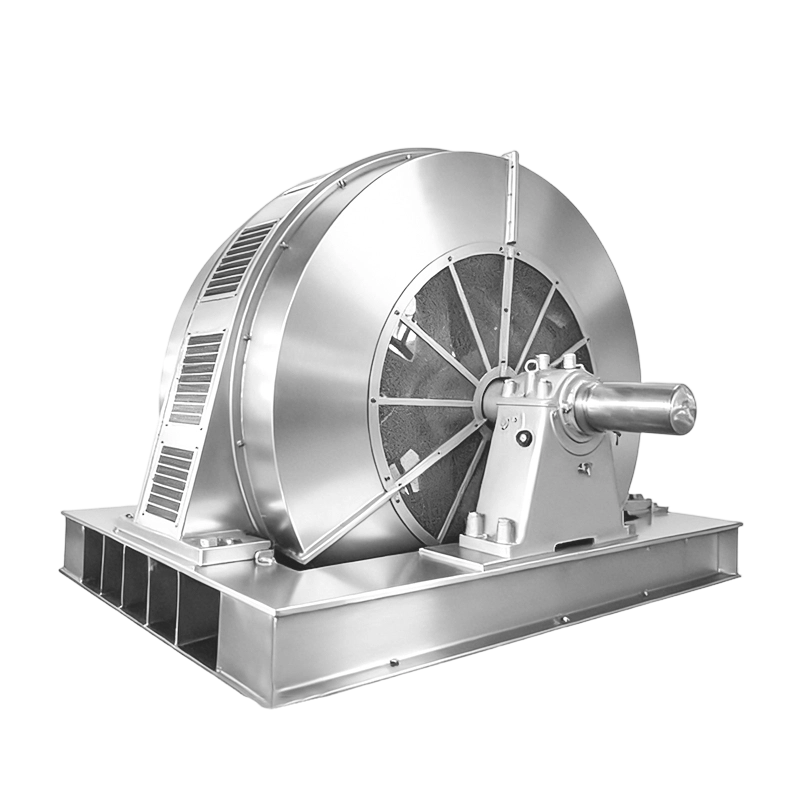
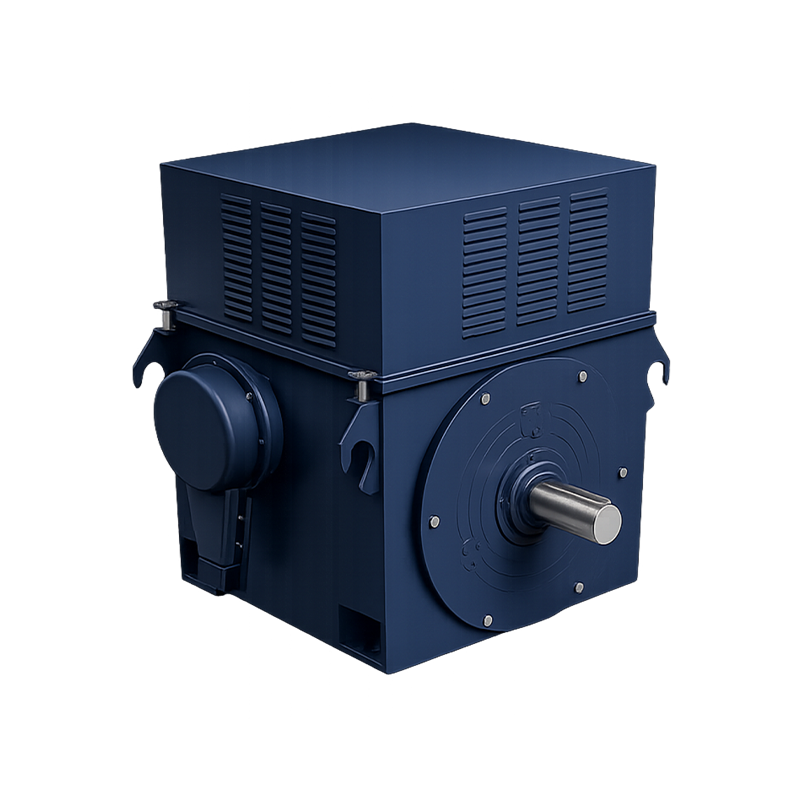
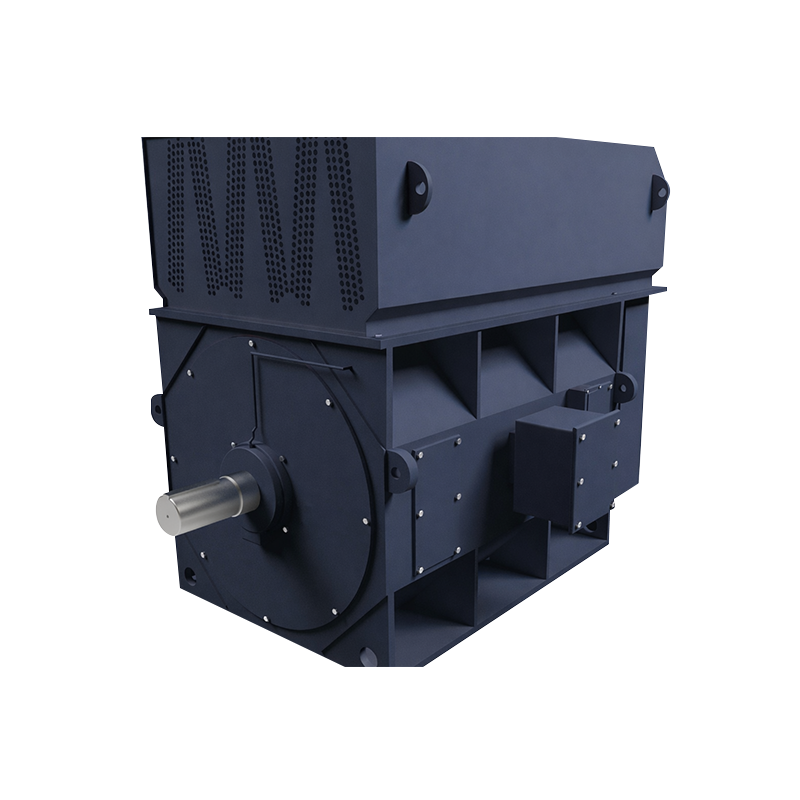
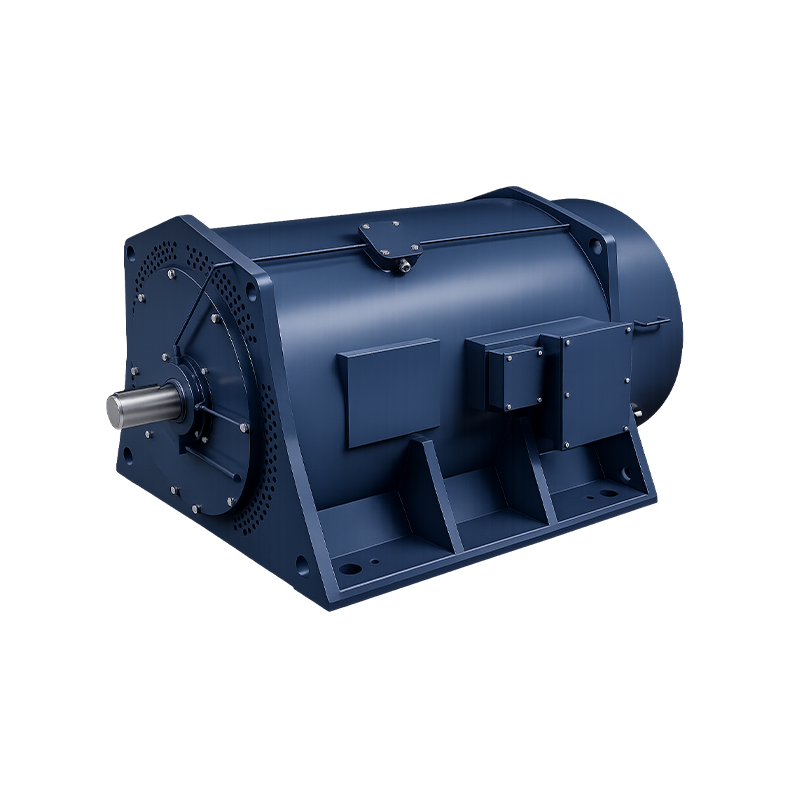
Crusher duty synchronous motors and high-torque pulverizer motors both exist to solve the same underlying problem: standard induction motors struggle with the shock loading, cyclic torque demands, and starting conditions that crushing and pulverizing equipment puts on a drive system. A jaw crusher or hammer mill doesn't draw steady, predictable load — torque spikes sharply every time a piece of rock, ore, or material jams or breaks under the crushing action, and the motor has to absorb that spike without stalling or tripping offline.
Synchronous motors are typically specified for large, continuous-duty crushers — gyratory and cone crushers in mining and aggregate operations — where their fixed synchronous speed and ability to correct power factor deliver real efficiency gains at scale. High-torque pulverizer motors, often induction designs with reinforced rotor construction, are chosen for mills and pulverizers where starting torque and sustained overload capacity under cyclic loading matter more than the power-factor benefits synchronous motors provide.
Starting Torque: The Specification That Gets Underestimated
Crushers and pulverizers are frequently started under load — with material already sitting in the crushing chamber rather than an empty startup condition — which demands significantly higher starting torque than a general-purpose motor of the same horsepower delivers.
| Motor Design | Typical Starting Torque | Best Suited For |
|---|---|---|
| NEMA Design B (standard) | 100-150% of full-load torque | Light, unloaded starts only — not recommended for crushers |
| High-torque induction (Design D or crusher duty) | 225-300% of full-load torque | Pulverizers, hammer mills, loaded starts |
| Synchronous with pony motor or SCR starting | Application-engineered, often 150%+ | Large gyratory and cone crushers, continuous duty |
Typical starting torque ranges by motor design and their suitability for crushing equipment.
Specifying by horsepower alone, without checking starting torque against the equipment's actual loaded-start requirement, is one of the most common and expensive motor selection errors in this equipment category — an underrated motor may run fine on a light load test but stall or trip repeatedly once material is actually feeding through the crusher.
Why Synchronous Motors Make Sense at Larger Scale
Synchronous motors run at a fixed speed locked to the electrical supply frequency, rather than the slip-dependent speed of an induction motor, and this offers two advantages that matter most on large, continuous-duty installations:
- Power factor correction — an overexcited synchronous motor can supply leading reactive power to the plant's electrical system, offsetting the lagging power factor from other induction loads and reducing utility power factor penalties
- Higher efficiency at large horsepower — synchronous motors generally maintain higher efficiency than comparable induction motors at ratings above roughly 1,000 HP, which is where large gyratory and cone crushers typically operate
Below that scale, the added cost and complexity of synchronous motor excitation systems and starting equipment often outweigh the efficiency and power-factor benefits, which is why smaller and mid-size crushing and pulverizing applications more commonly use high-torque induction designs instead.
Rotor and Bearing Construction for Shock Load Durability
Beyond torque rating, the mechanical construction of a crusher or pulverizer duty motor differs from general-purpose designs in ways that directly affect service life under repeated shock loading:
- Reinforced rotor bars and end rings are designed to handle the thermal and mechanical stress of repeated high-current starts and torque spikes without cracking or loosening over time.
- Heavy-duty bearings, often oversized relative to the motor's horsepower rating, are specified to absorb radial shock loading transmitted back through the drive coupling from the crushing action.
- Robust shaft and coupling design accounts for the torsional shock loading unique to crushing equipment, since a shaft sized only for steady-state torque can fatigue and fail under repeated impact loading well before its rated service life.
A motor rated for the correct horsepower and torque but built to a general industrial duty standard, rather than a crusher/pulverizer duty standard, often shows premature bearing or rotor failure specifically because the mechanical construction wasn't engineered for shock loading in the first place.
Questions to Confirm Before Specifying a Motor
A few application details determine whether a synchronous or high-torque induction motor is the right fit, and getting them wrong at the specification stage is far more costly to correct than getting them right upfront:
- What is the actual loaded starting torque requirement, based on whether the equipment starts empty or under material load?
- What horsepower range does the installation fall into, since that threshold largely determines whether synchronous motor benefits justify the added system complexity?
- What starting method is available at the site — full voltage, reduced voltage, or soft starter — since this affects both motor selection and the electrical infrastructure needed to support it?
Working through these questions with the equipment manufacturer's duty cycle data in hand, rather than relying on a generic horsepower-to-motor lookup, is the most reliable way to avoid underspecifying a motor for the shock loads crushing and pulverizing equipment actually produces.
PREV:AC Motor Selection Guide: Types, Applications, and How to Choose
NEXT:AC Electric Motors: Parts, Types, Wiring & How They Work
NEXT:AC Electric Motors: Parts, Types, Wiring & How They Work
Interested in cooperation or have questions?
Let'S Work Together Welcome Aboard!
-

-
 +86-15021943462
 -
 Room 2326, 23rd Floor 2000 Zhongshan North Road Putuo District Shanghai, China
Join Our Mailing List
Product Categories
Quick Links
Quick Links
