
 English
 中文简体
 русский


 Read More

Product Category
NEW Category
Contact us
Contact Us
We specialise in the research, development and manufacture of electrical wires and cables.
 +86-15021943462
Related News
Metallurgical Motor Specifications: What Matters Most in Mill Duty Selection
A 400 kW motor that runs cool in a warehouse can fail inside 14 months on a rolling mill floor, and the nameplate brand is rarely the reason. The difference sits in the duty class, the cooling circuit, the insulation margin and the ambient assumptions written into the specification sheet. That is the short answer to what motor specifications matter most for metallurgical applications: thermal and mechanical margin comes first, electrical elegance second.
Above 40 C ambient, a standard high-voltage induction motor loses roughly 1 percent of rated output for every additional kelvin unless the cooling and insulation classes are upgraded.
Content
- 1 What Motor Specifications Matter Most for Metallurgical Applications
- 2 Duty Cycle and Load Class Decide Everything Before Frame Size
- 3 Cooling and Protection Codes: IC611, IC616 and IP54 in Real Mill Conditions
- 4 Insulation Class and Temperature Rise: Buy Thermal Margin Up Front
- 5 Torque, Starting Current and High-Inertia Loads
- 6 Matching Motor Specifications for Metallurgical Applications to Equipment Type
- 7 Frequently Asked Questions
What Motor Specifications Matter Most for Metallurgical Applications
Five specification families decide whether a metallurgical motor survives its first three years in service: duty cycle, cooling and enclosure, insulation and temperature rise, torque and starting behaviour, and mechanical limits such as mounting, vibration and bearing current protection. Every other line on the data sheet follows from those five.
S1-S9
Duty classes defined by IEC 60034-1
IP54
Practical minimum enclosure for dusty bays
155 C
Class F rated hot spot temperature
2.5x
Breakdown torque often asked of mill drives
Why the ranking is not negotiable
Get the duty class wrong and no premium bearing or oversized terminal box will save the machine. Get the cooling code wrong in a converter bay and the winding collects conductive dust until the insulation fails. Get the torque curve wrong and the motor will start while the driven equipment refuses to accelerate.
- Duty cycle sets how much thermal capacity the motor has to carry.
- Cooling and protection set how long the winding survives heat and contamination.
- Insulation class sets how much headroom exists before ageing accelerates.
- Torque behaviour sets whether the connected load can be accelerated at all.
- Mechanical limits set whether shaft, bearings and frame outlast the first campaign.
Rank those five in order on the enquiry sheet and require a written answer for each, with the standard reference behind it, before a quotation is accepted.
Duty Cycle and Load Class Decide Everything Before Frame Size
A motor rated S1 continuous at 100 percent load is the wrong machine for a reversing mill stand or a grab crane, even when power, voltage and speed match perfectly. Metallurgical loads are cyclic, shock loaded and frequently start at full load, so the duty class governs every other choice on the sheet.
How IEC 60034-1 duty classes map onto a steel plant
- S1 continuous: pumps, fans and compressors running at steady load.
- S3 intermittent periodic: crane travel and hoist drives, described by cyclic duration factor, typically 40 to 60 percent.
- S4 intermittent with starting: pinch rolls, charging machines and other repeated starts under load.
- S9 non-periodic with non-periodic load and speed changes: main mill drives where torque demand follows the pass schedule.
A specification that names only power, voltage and speed is not a specification. It is a request for the cheapest motor that fits the frame size.
Ask for the load diagram and the cyclic duration factor. If neither document exists, ask the process engineer for one, and treat the answer as a selection input rather than paperwork. Where ambient temperature or ventilation is uncertain, carry an extra 10 to 15 percent thermal margin above the calculated duty.
Cooling and Protection Codes: IC611, IC616 and IP54 in Real Mill Conditions
In dusty, hot bays, air-to-air cooled machines such as IC611 and IC616 with IP54 protection or better are the default choice. Open-circuit IC01 and IC06 designs belong only where a guaranteed flow of filtered air can be arranged and maintained for the life of the installation.
| Cooling code | Circuit layout | Behaviour in dust and heat | Typical metallurgical use |
| IC01 | Open circuit, self ventilated | Ambient air passes straight through the winding | Clean areas, light auxiliary duty |
| IC06 | Open circuit, forced ventilation | Pressurised air from ducting, fails with the fan | Dusty bays fed from filtered ducts |
| IC411 | Totally enclosed, frame cooled | Internal parts sealed from ambient air | Pumps, conveyors, general mill duty |
| IC511 | Enclosed with air-to-air exchanger | Clean internal air circuit, hot spots spread | Casting and humid zones |
| IC611 | Enclosed, machine mounted exchanger | Stable winding temperature in continuous duty | Rolling lines and high-voltage mill drives |
| IC616 | Enclosed, separately ventilated exchanger | Cooling independent of motor speed | Furnace areas and high ambient zones |
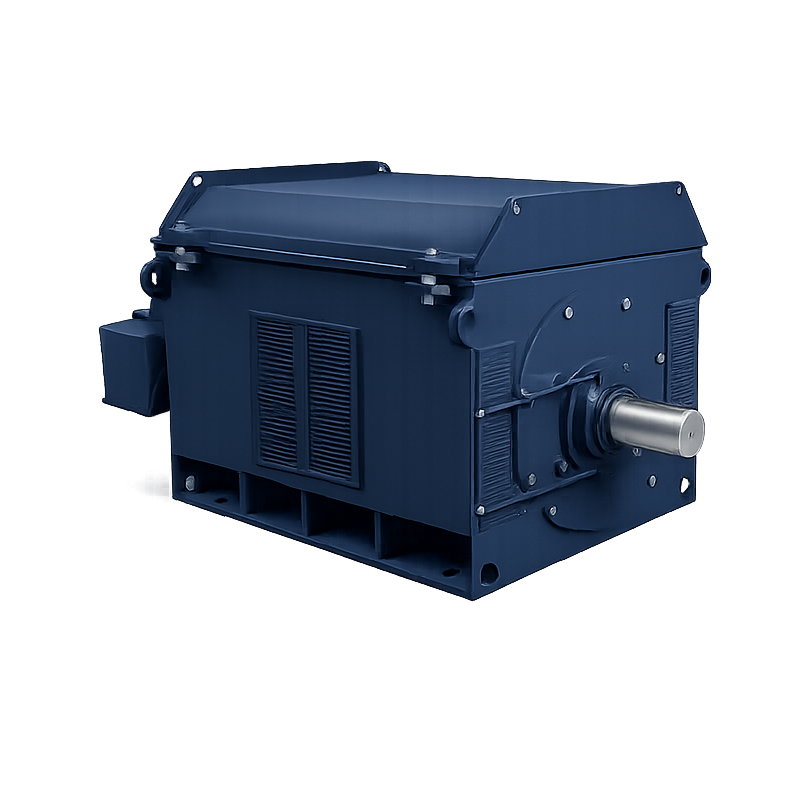
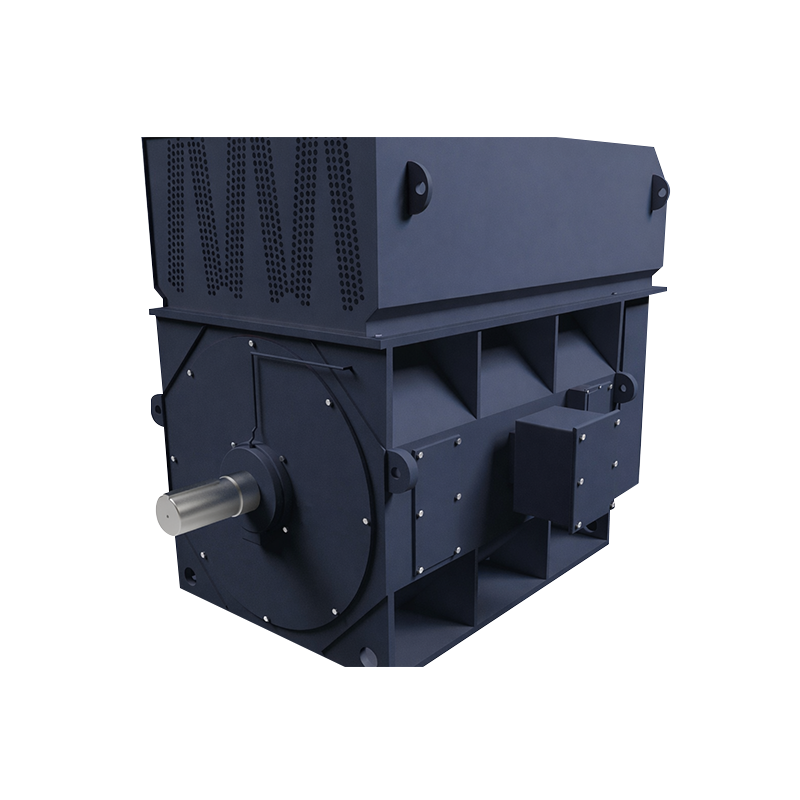
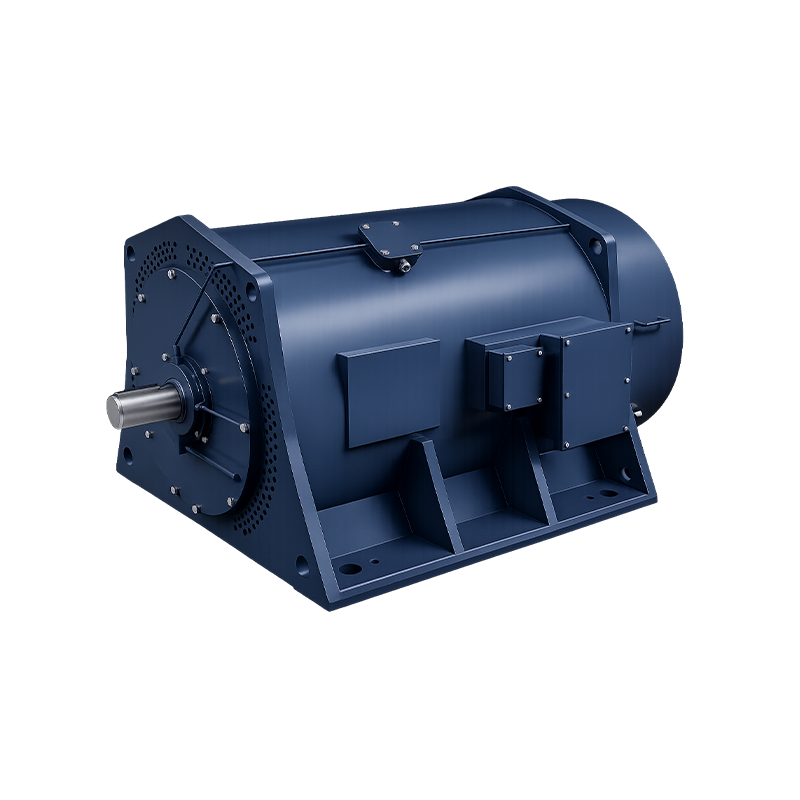
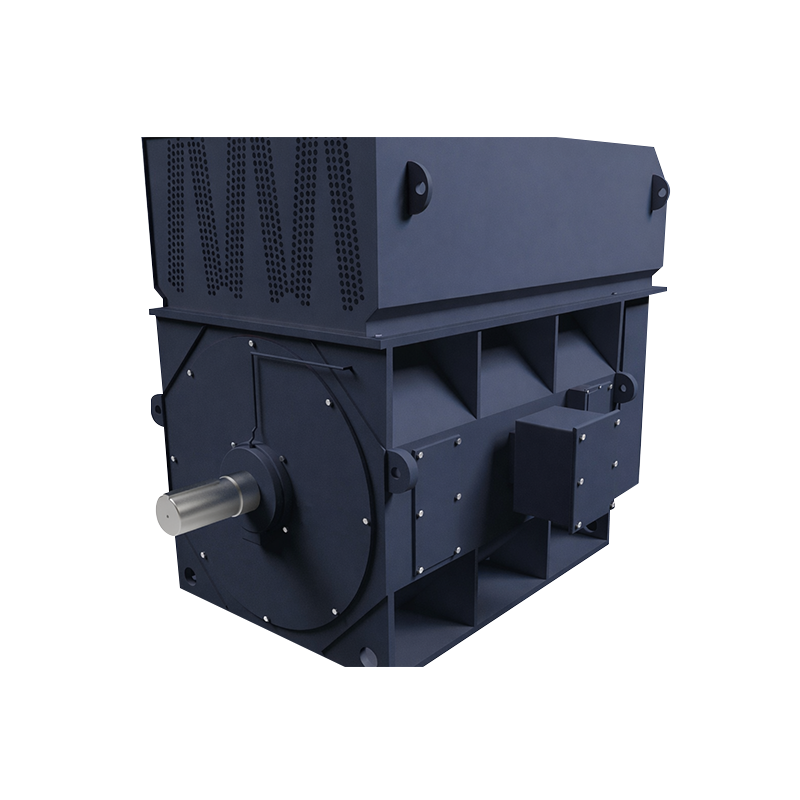 GOST Standard IP54 IC611/IC616 High Voltage Squirrel Cage Asynchronous MotorQ: Do you provide motor selection and technical consulting services? We provide professional motor selection and technical consulting based on operating conditions, ap...View Product →
Two failure patterns repeat across metallurgical plants. An IC01 machine placed near a dust source turns its internal air path into a contamination route and ends in a terminal box flashover. An IP54 machine with an undersized external cooling circuit stays clean but runs hot, so the winding fails from the inside instead of the outside.
Match the cooling code to the dirtiest and hottest week of the year, not to commissioning day, when the bay is clean, empty and cool.
Insulation Class and Temperature Rise: Buy Thermal Margin Up Front
Specify Class F insulation rated at 155 C, and where ambient exceeds 40 C specify it with a Class B temperature rise limit. That combination leaves roughly 30 kelvin of unused headroom at rated load, which is what absorbs overload peaks, voltage imbalance and gradually clogged cooling paths later on.
Derating arithmetic that decides real output
- Ambient above 40 C: about 1 percent of rated output lost per kelvin.
- Altitude above 1000 m: about 1 percent lost per additional 100 m.
- Voltage imbalance of 2 percent: winding temperature rise can climb by 8 to 10 percent.
A hot rolling bay regularly combines all three stressors at once, which explains why a machine that carries full rating on a test bed may only carry 85 percent of it on the plant floor. The margin costs a little at the ordering stage and cannot be added after installation.
Torque, Starting Current and High-Inertia Loads
On high-inertia metallurgical loads, the starting method decides the drive train more often than the rated power does. A ball mill, crusher or fully loaded conveyor can demand two to three times rated torque during acceleration, and a directly started squirrel cage motor draws five to seven times rated current while delivering it.
| Drive option | Starting torque | Starting current | Best fit |
| Squirrel cage, direct on line | 1.8 to 2.5 times rated | 5 to 7 times rated | Constant speed, low inertia |
| Squirrel cage with variable frequency drive | 1.5 to 2.0 times rated | Up to 1.5 times rated | Variable speed mill and fan drives |
| Wound rotor with rotor resistance | 2.0 to 2.5 times rated | 2 to 3 times rated | High inertia mills and crushers |
| Direct current machine with converter | 2.5 to 3.0 times rated | Controlled by the converter | Crane hoists and reversing stands |
Squirrel cage plus drive
- Low maintenance, no brushes or slip rings
- Drive must be sized for full starting current
- Insulated bearings advised on large frames
Wound rotor with resistance
- High starting torque at moderate current
- Slip ring and brush maintenance required
- Still common in older mill installations
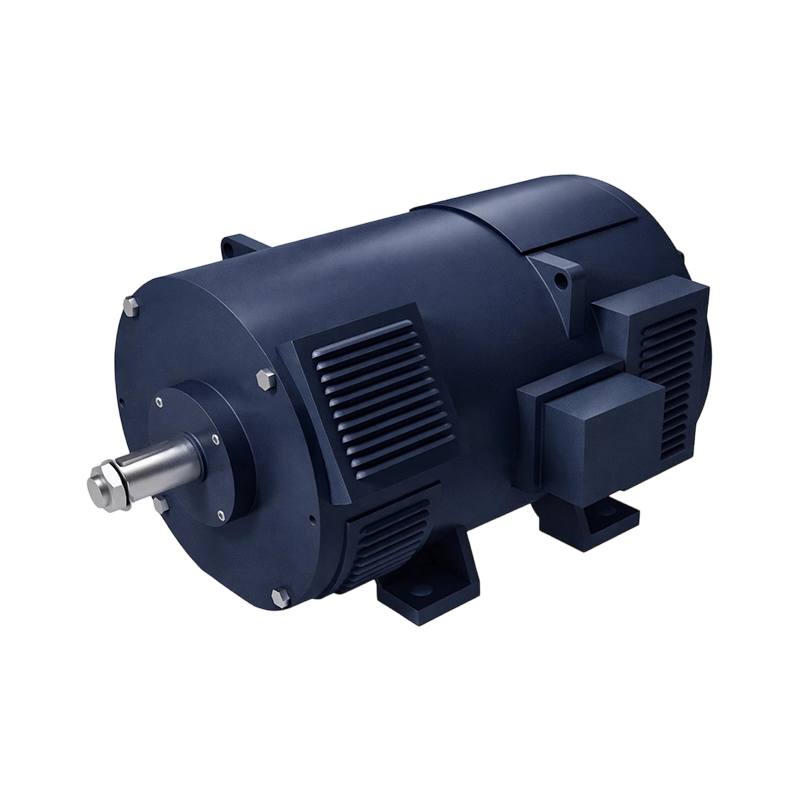
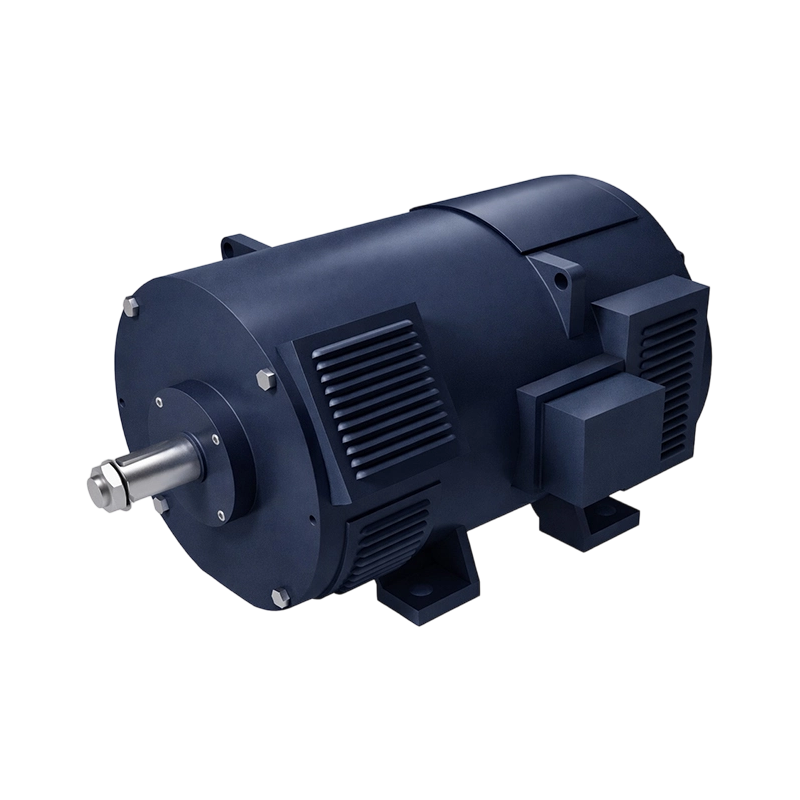 Crane Duty DC Motors SuppliersCrane & Metallurgical DC MotorsView Product →
Direct current machines keep a firm place in this picture. Crane hoists and reversing mill stands need high starting torque with fast, precise speed reversal, and a DC motor fed from a controlled converter delivers exactly that without the torque ripple limits of a standard AC drive. Where the grid can accept a moderate starting current and the load has to accelerate smoothly, high-voltage slip ring AC motors with external rotor resistance remain a valid and widely used answer.
Matching Motor Specifications for Metallurgical Applications to Equipment Type
The fastest way to validate a specification is to test it against the equipment family it will drive, because each family has one characteristic failure mode that keeps returning.
- Rolling mill main drives: S9 duty, IC611 or IC616 cooling, forced lubrication, insulated bearings on converter fed machines.
- Crane hoists and travel drives: S3 or S4 duty with 40 to 60 percent cyclic duration factor and high starting torque.
- Ball mills and crushers: high inertia, 2.0 to 2.5 times breakdown torque, wound rotor or synchronous machines preferred.
- Continuous casting and furnace auxiliaries: high ambient, IP54 minimum, Class F insulation with a Class B rise limit.
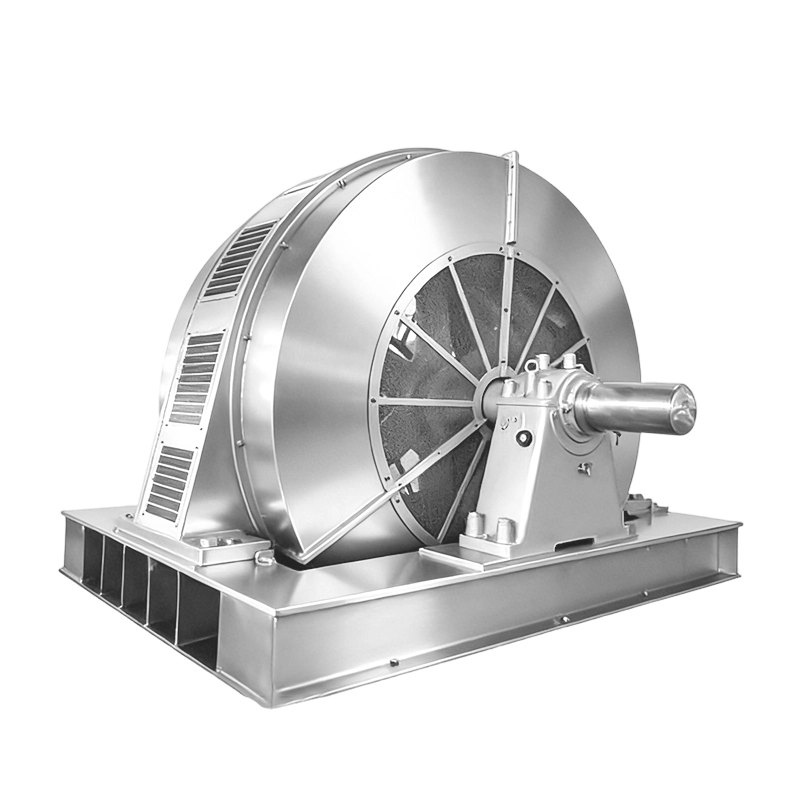
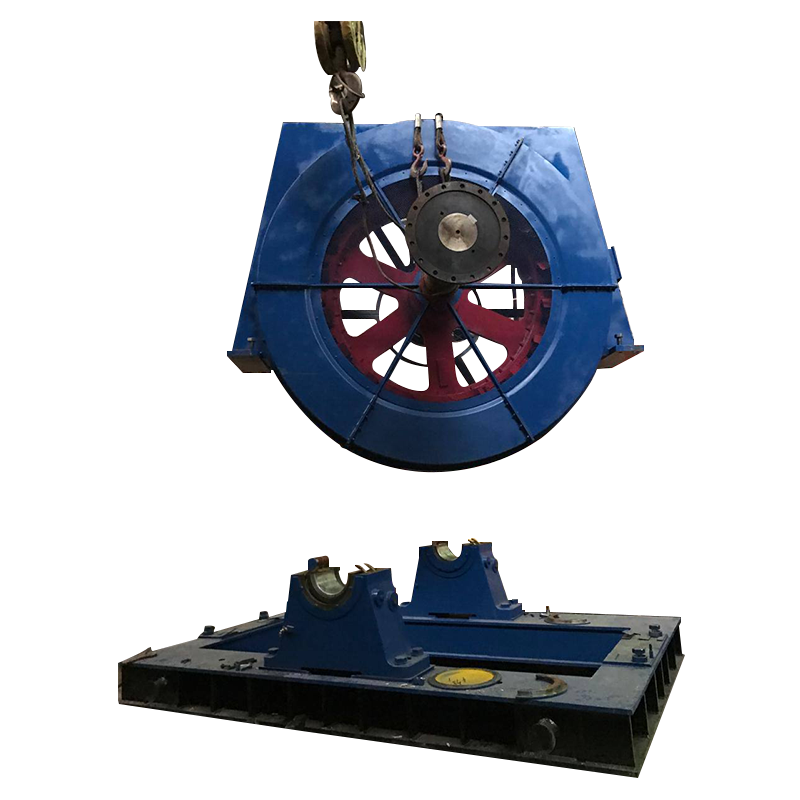 SDM/SDMZ Series Heavy-duty High-Voltage Synchronous Motors for Ball MillsThe SDM and SDMZ series high-voltage synchronous motors are purpose-engineered for ball mill applications in mining, cement, and heavy industrial sectors. Designed to ...View Product →
Specification gaps behind redesign requests in heavy-duty motor projects
Enclosure and cooling code 31%
Duty cycle and load class 26%
Insulation and rise limit 18%
Torque and starting data 14%
Frame, mounting and vibration 11%
Distribution compiled from supplier engineering reviews of metallurgical and heavy-duty motor enquiries.
More than half of all redesign requests trace back to two lines on the enquiry sheet: enclosure and cooling, and duty class. Both are settled long before detailed design begins, which makes them the cheapest items to correct at the enquiry stage and the most expensive to correct after the frame has been cast.
Frequently Asked Questions
Which motor specification should be fixed first for a metallurgical application?
Duty cycle. It defines the thermal capacity the motor has to carry and constrains cooling, insulation and frame size. Once the duty class and load diagram are agreed, every other specification can be selected against a fixed reference instead of an assumption.
Is IP54 protection always enough in a metallurgical bay?
No. IP54 keeps dust out and resists splashing water, but it says nothing about ambient heat. Furnace areas and hot rolling zones normally need IP54 or IP55 combined with an air-to-air cooling circuit such as IC611 or IC616, and open IC01 machines should be excluded unless filtered air is ducted directly to the motor.
How much thermal margin should a metallurgical motor carry?
Plan for 10 to 15 percent above the calculated duty whenever ambient temperature, altitude or ventilation is uncertain. Combined with Class F insulation and a Class B temperature rise limit, that margin covers overload peaks, mild voltage imbalance and gradual fouling of the cooling path.
Do GOST and IEC specifications change the selection for mill duty motors?
The frames, output ratings and documentation differ, but the physics does not. A machine built to GOST or to IEC 60034-1 must satisfy the same duty, cooling and insulation requirements for the same application. Name the standard explicitly in the enquiry, because mixing GOST frame dimensions with IEC mounting data is a common cause of installation delay.
Specify duty, cooling and insulation first. Those three lines decide uptime; everything else is a detail that follows.
PREV:Why DC Motors Remain Critical for Crane and Metallurgical Equipment Applications
NEXT:Most Common Motor Failures in Continuous Industrial Operations Explained
NEXT:Most Common Motor Failures in Continuous Industrial Operations Explained
Interested in cooperation or have questions?
Let'S Work Together Welcome Aboard!
-

-
 +86-15021943462
-
 Room 2326, 23rd Floor 2000 Zhongshan North Road Putuo District Shanghai, China
Join Our Mailing List
Product Categories
Quick Links
Quick Links
